Japan with a Guy from Waseda University: Part 2
A little trip to Fuji, Yamanashi Prefecture
Going to Mt. Fuji is not like going to Mt. Doom in Mordor. No treacherous journey, no dark lord, just a 2.5-hour highway bus from Shinjuku to Kawaguchiko. I can't remember if it was via JapanOnlineBus or KosokuBus. Safe to say, I made it.
This was the view upon arrival. I was already excited to see Mt. Fuji. Then I saw Mt. Fuji AND trains, which, for me personally, is as good as it gets. See below:
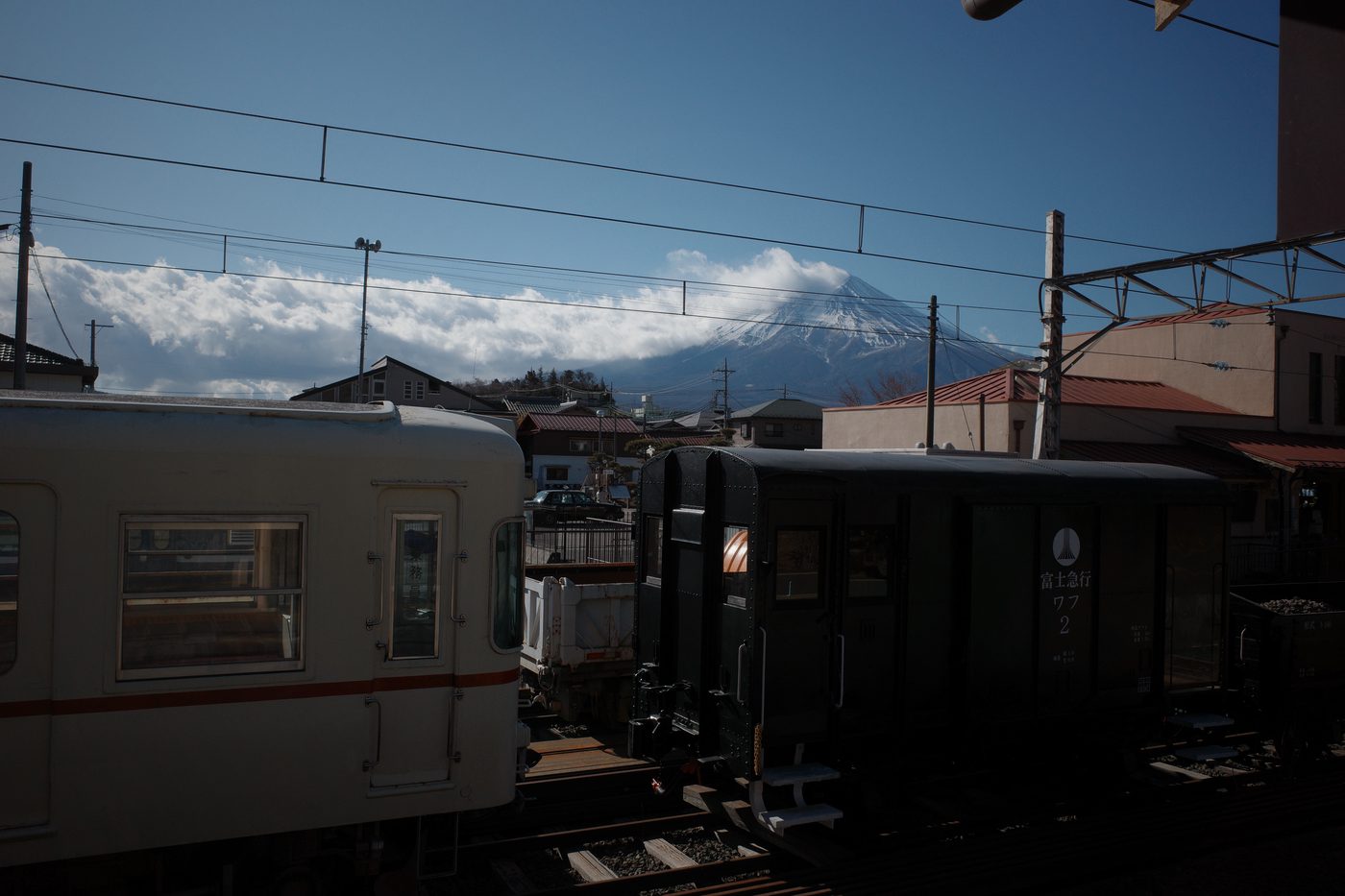
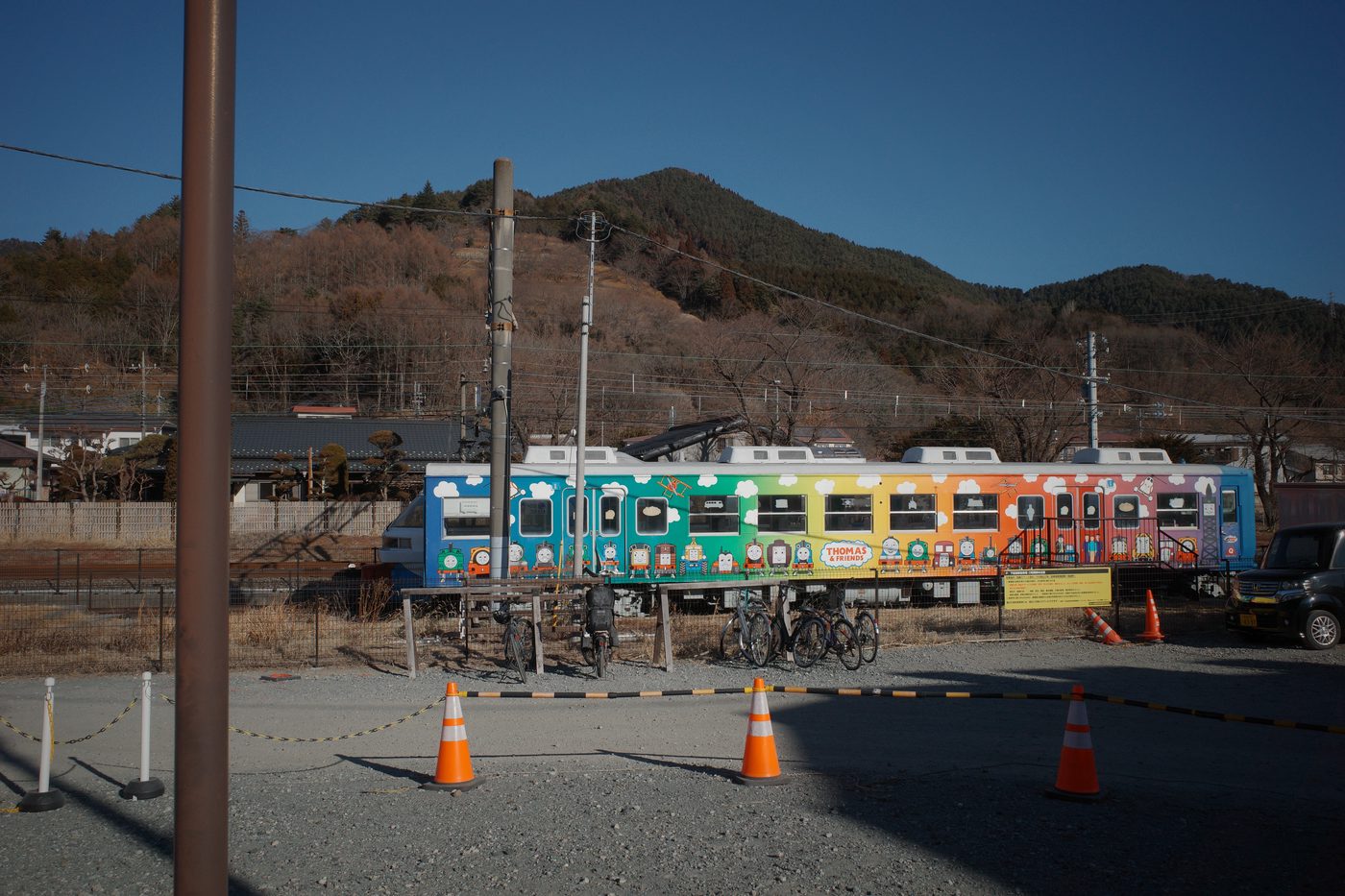
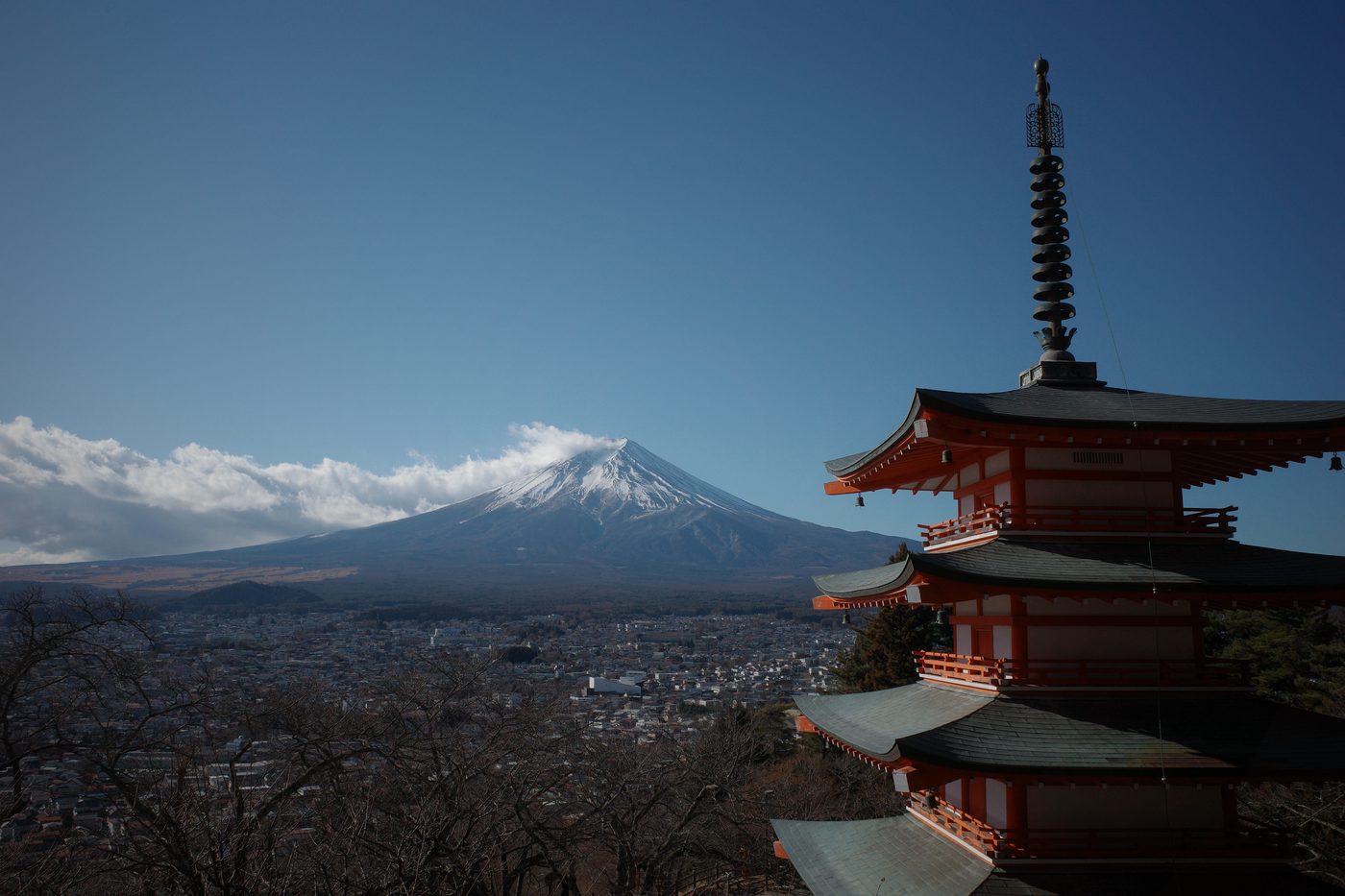
Ten years of desktop wallpaper. A short hike. And there it was.
While there, I also walked the Aokigahara Trail, through the forest better known as the "Suicide Forest," made briefly more famous by Logan Paul. The trail gave me two feelings at once: a deep, green serenity, and a creeping unease that built the longer I stayed. Could've been the reputation. Could've been the fact that there was nobody else around. Probably both.
Strip away the context and it would've been a lovely walk in the woods. Some scenes:
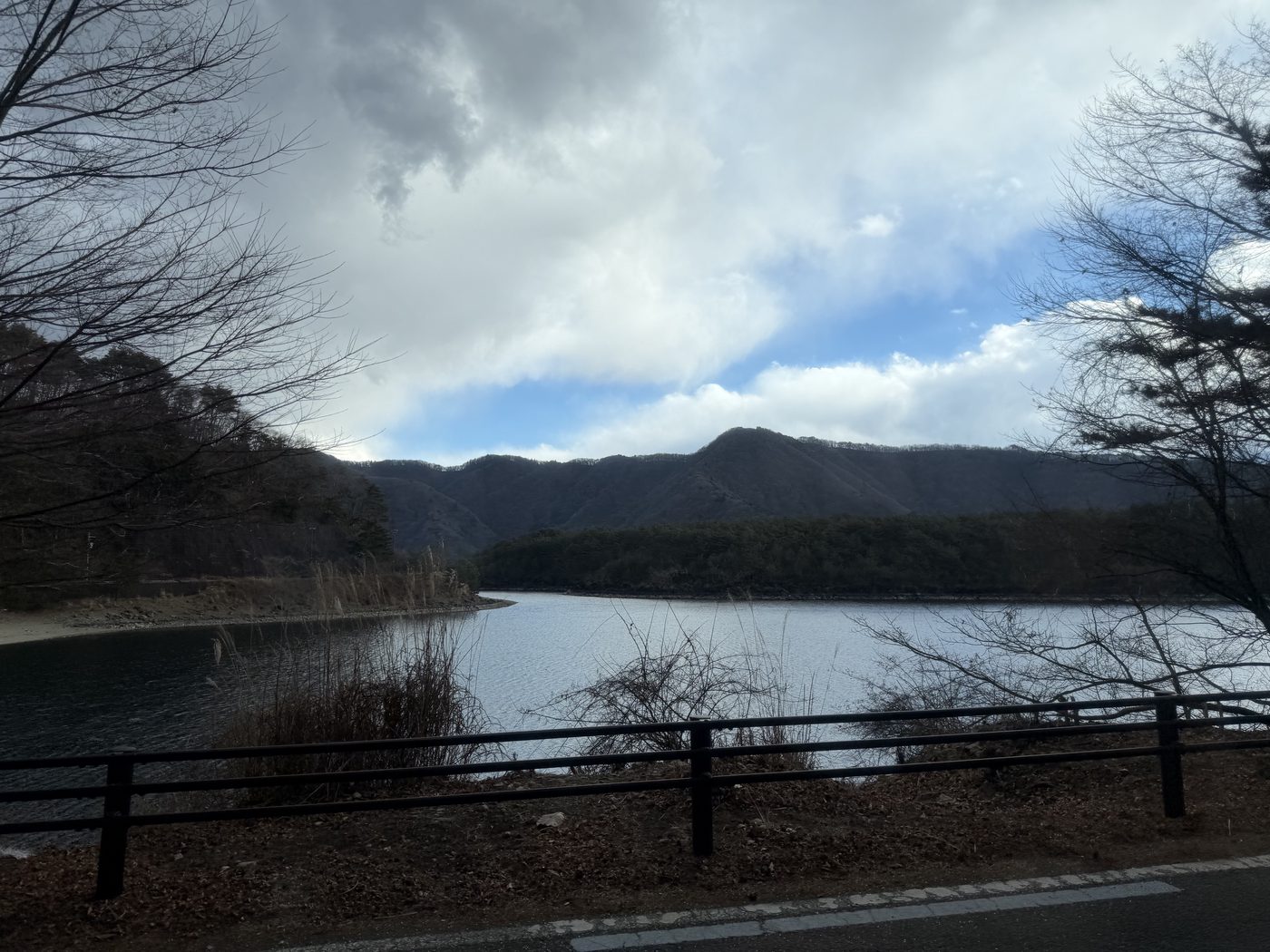
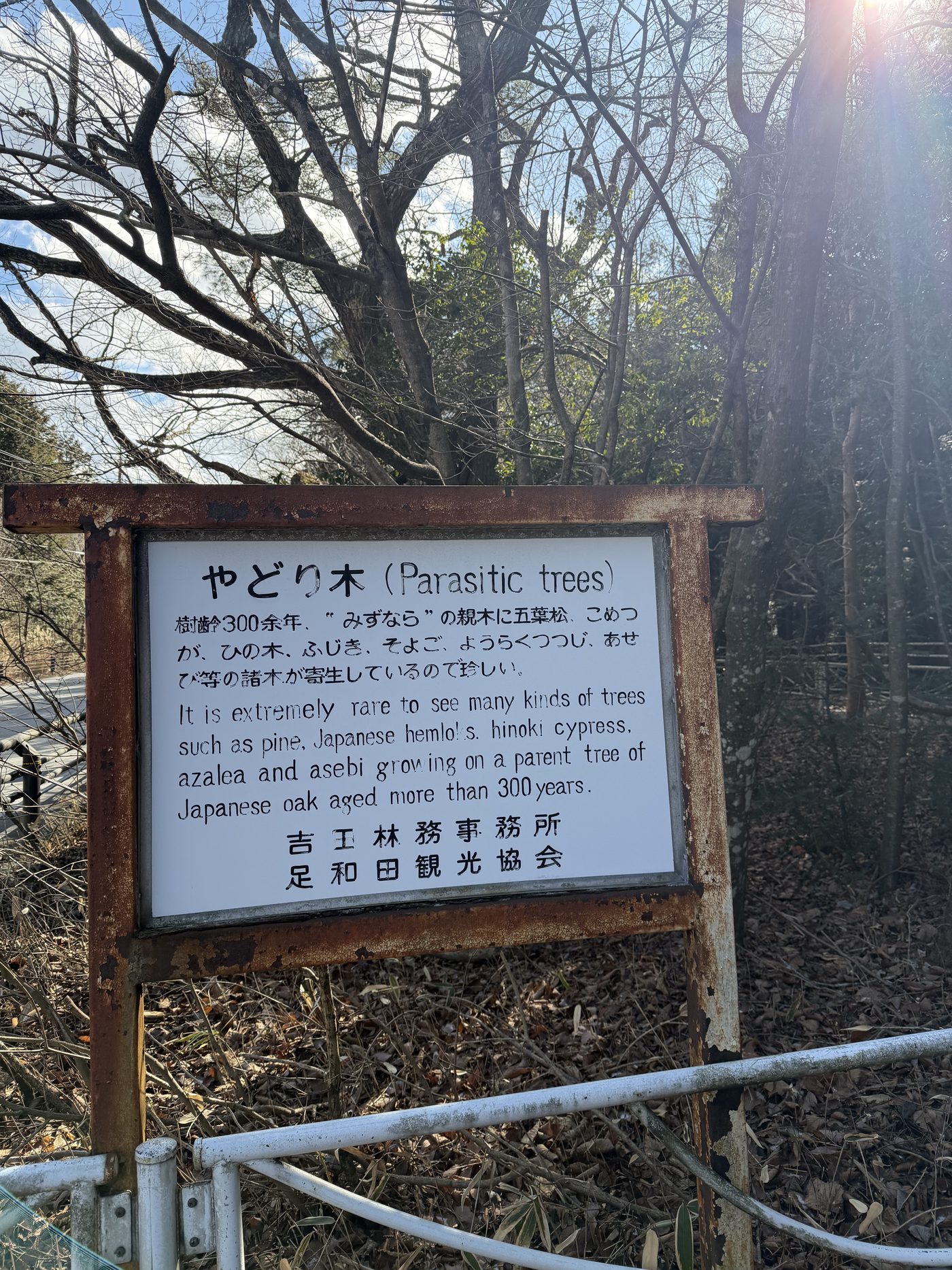
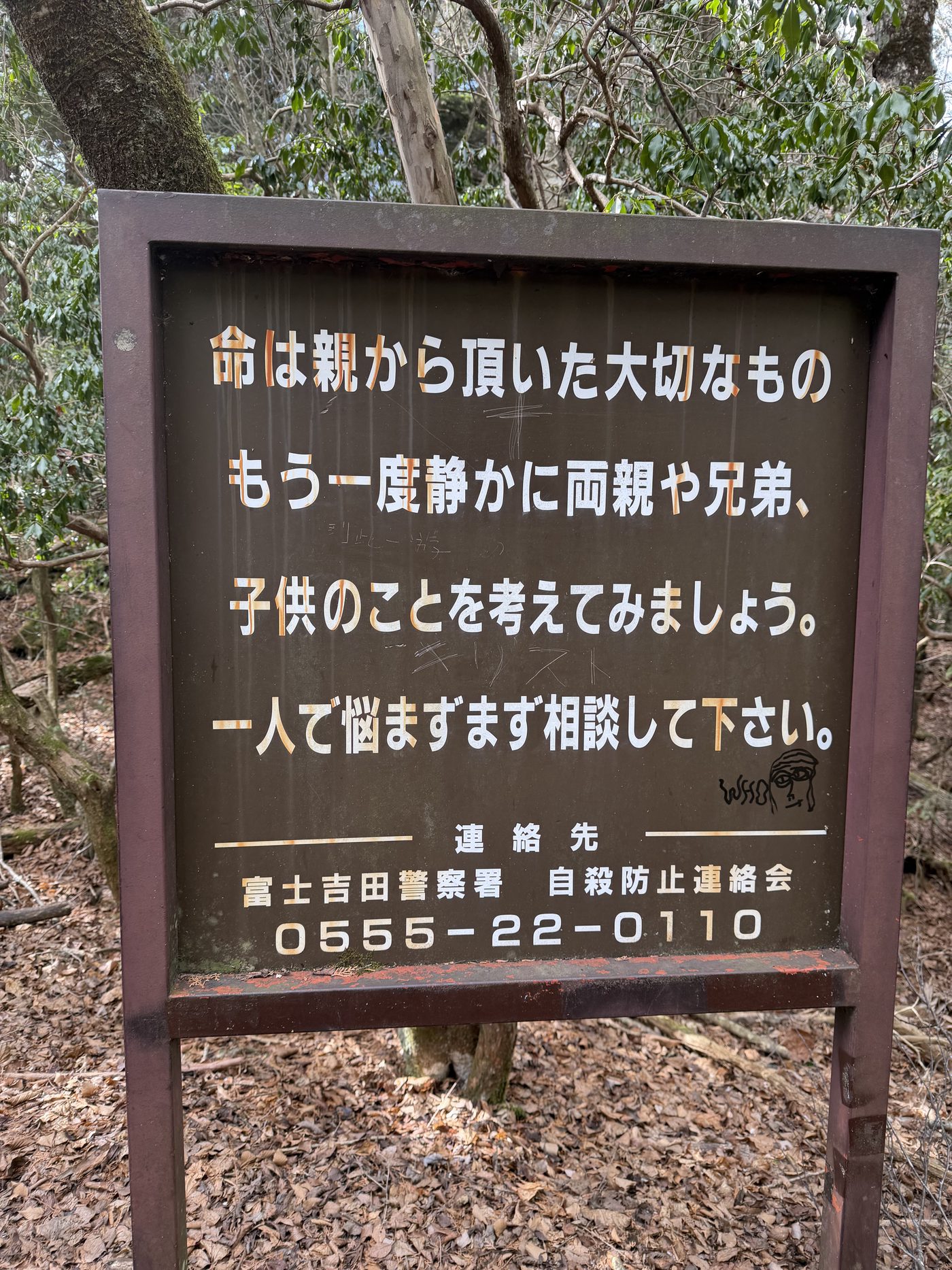
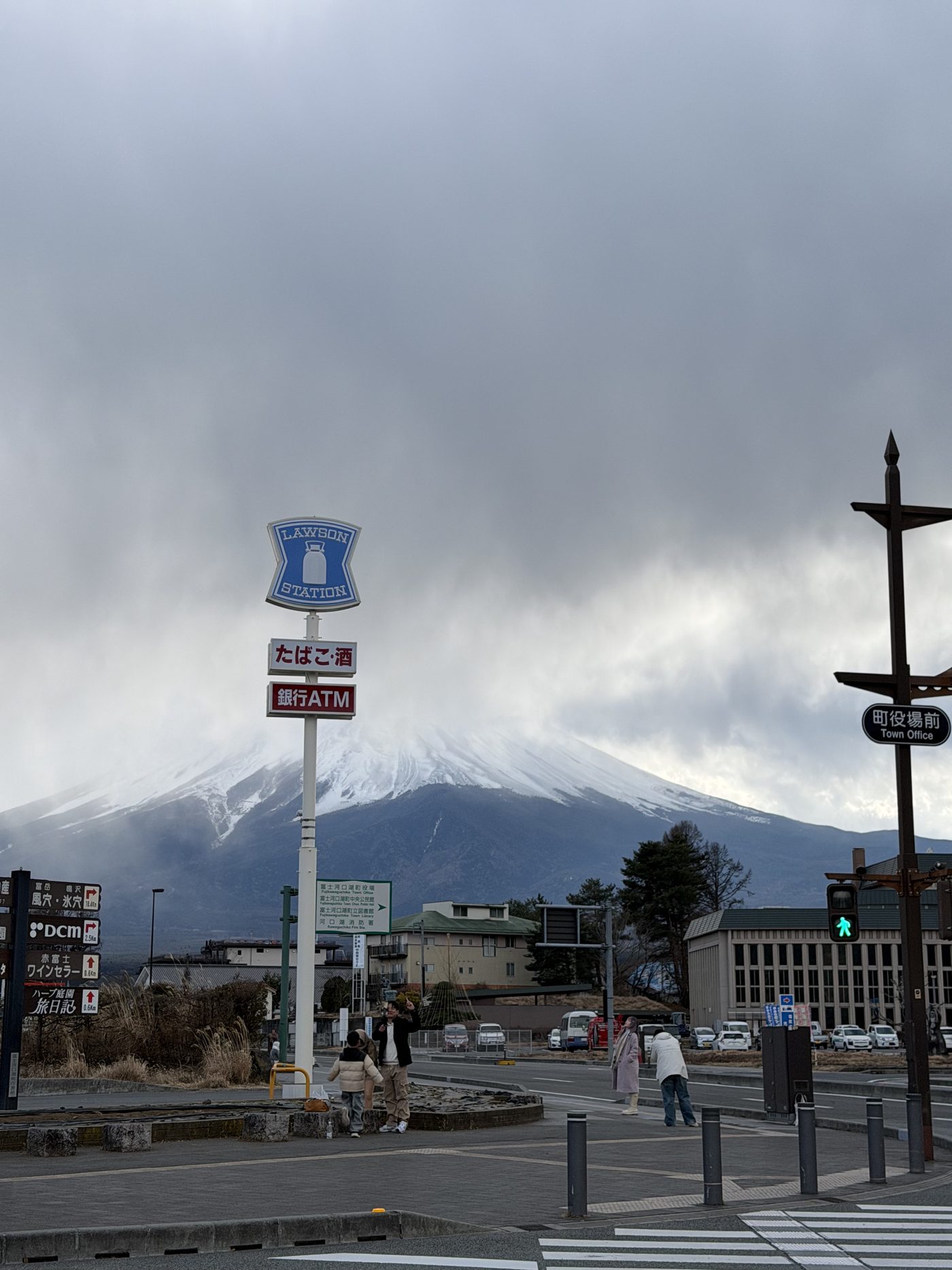
As the day went on, clouds rolled in and swallowed most of the mountain. Still beautiful, in a brooding, half-hidden sort of way. Yamanashi was also significantly colder than Tokyo, so I was spending most of my energy trying to be indoors.
Kadokawa Museum
Back in Tokyo, we made the one-hour trip out to Tokorozawa, Saitama, to visit the Kadokawa Culture Museum: part library, part art space, part pop-culture shrine, and all about letting you interact with stories rather than just read them.
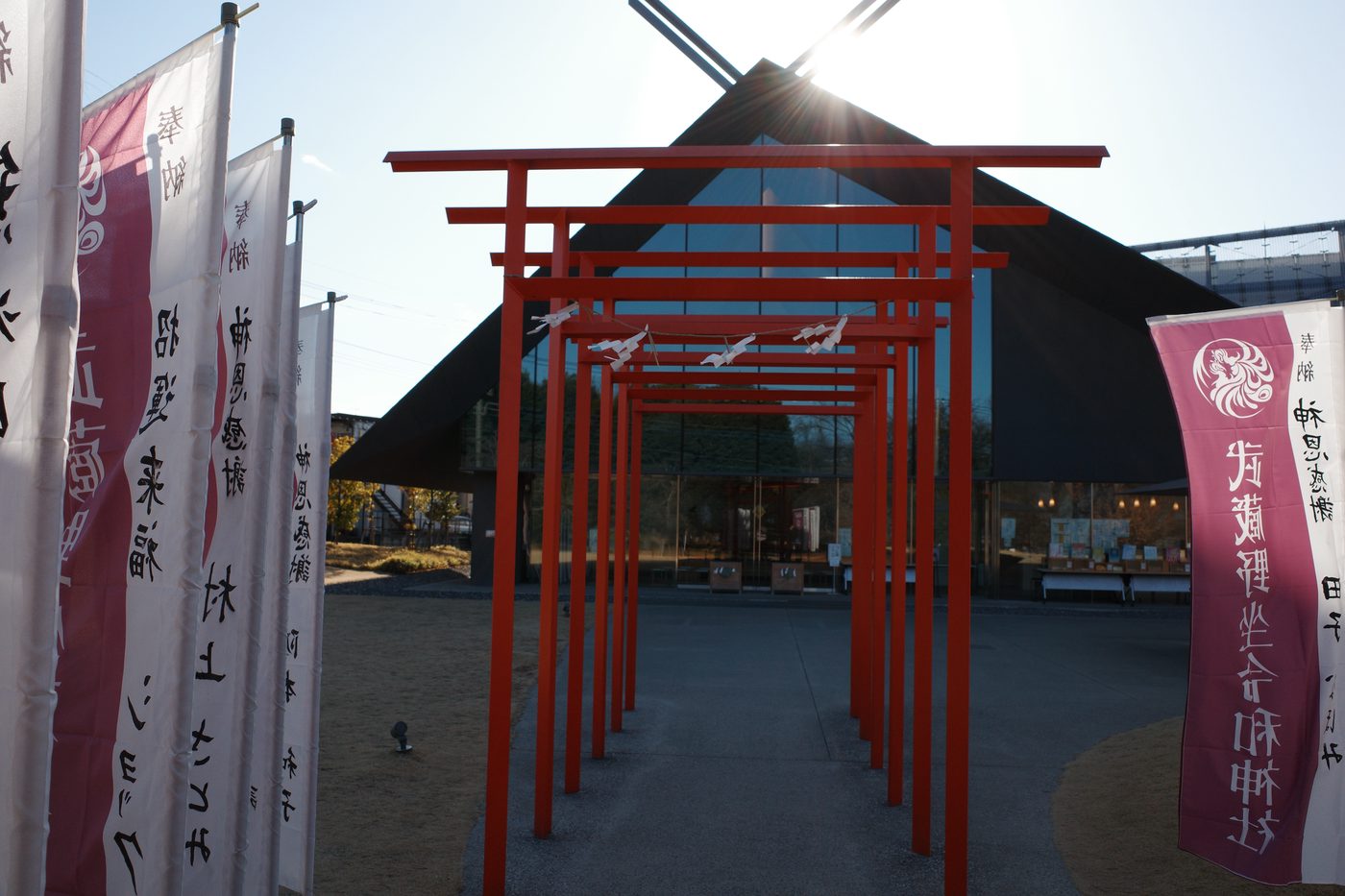
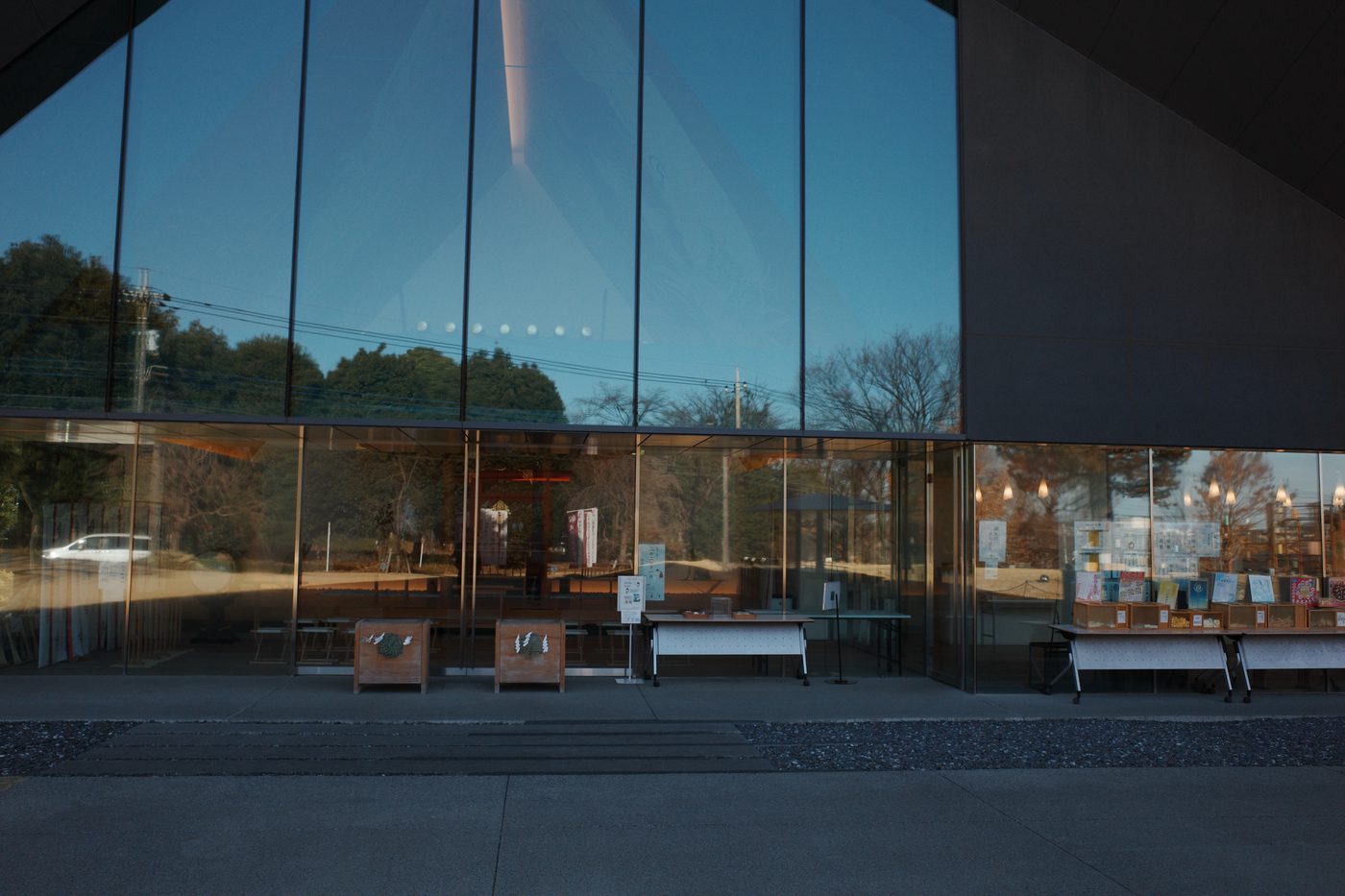
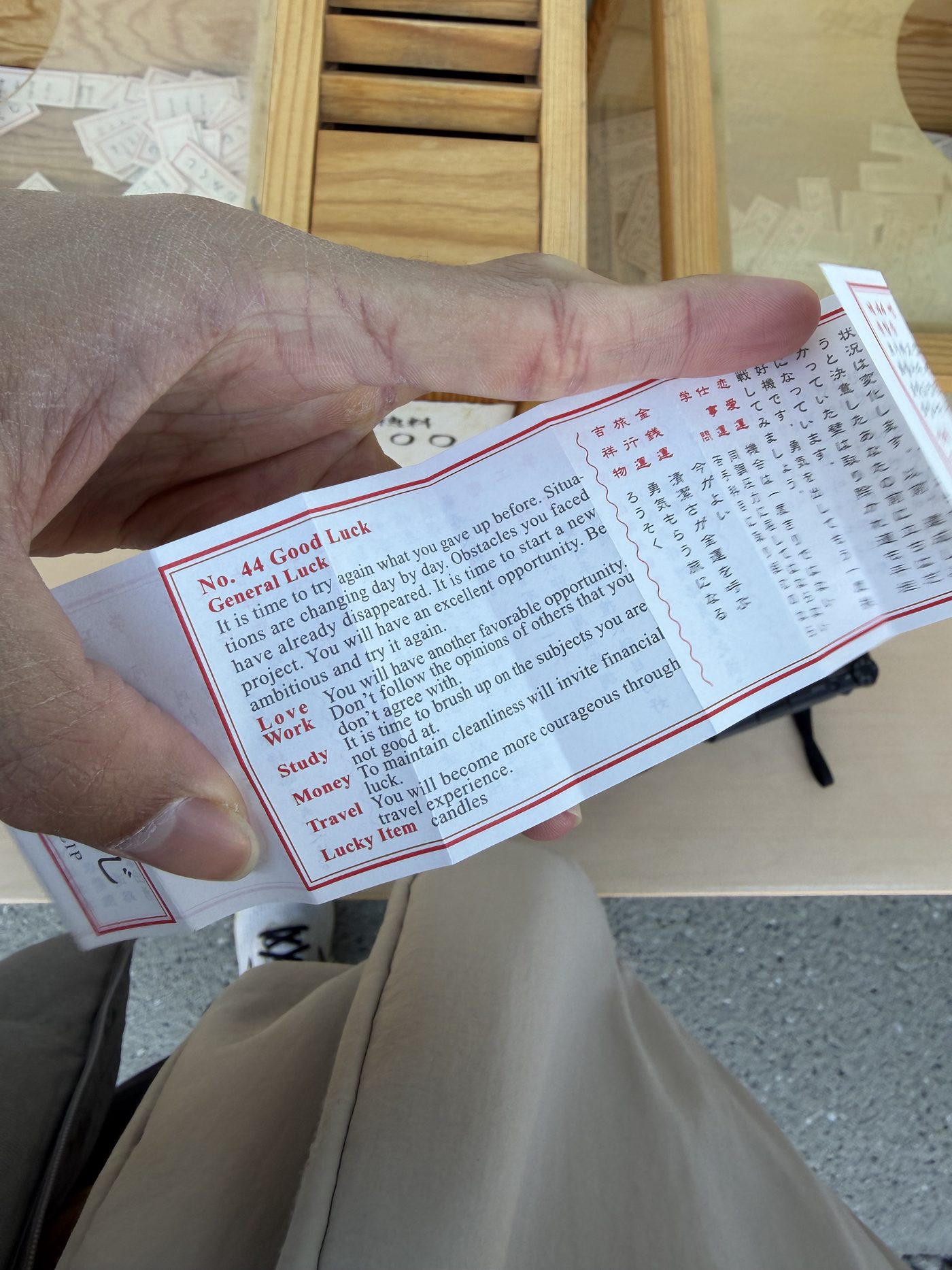
Before the museum itself, there is the Musashino Reiwa Shrine, designed by Kengo Kuma, where traditional Japanese architecture meets something more contemporary. We only went into the merchandise store. It wasn’t entirely clear whether visitors were welcome inside the shrine proper, since the worshippers were praying at the entrance rather than going in. The whole thing had a vaguely Strange Houses energy.
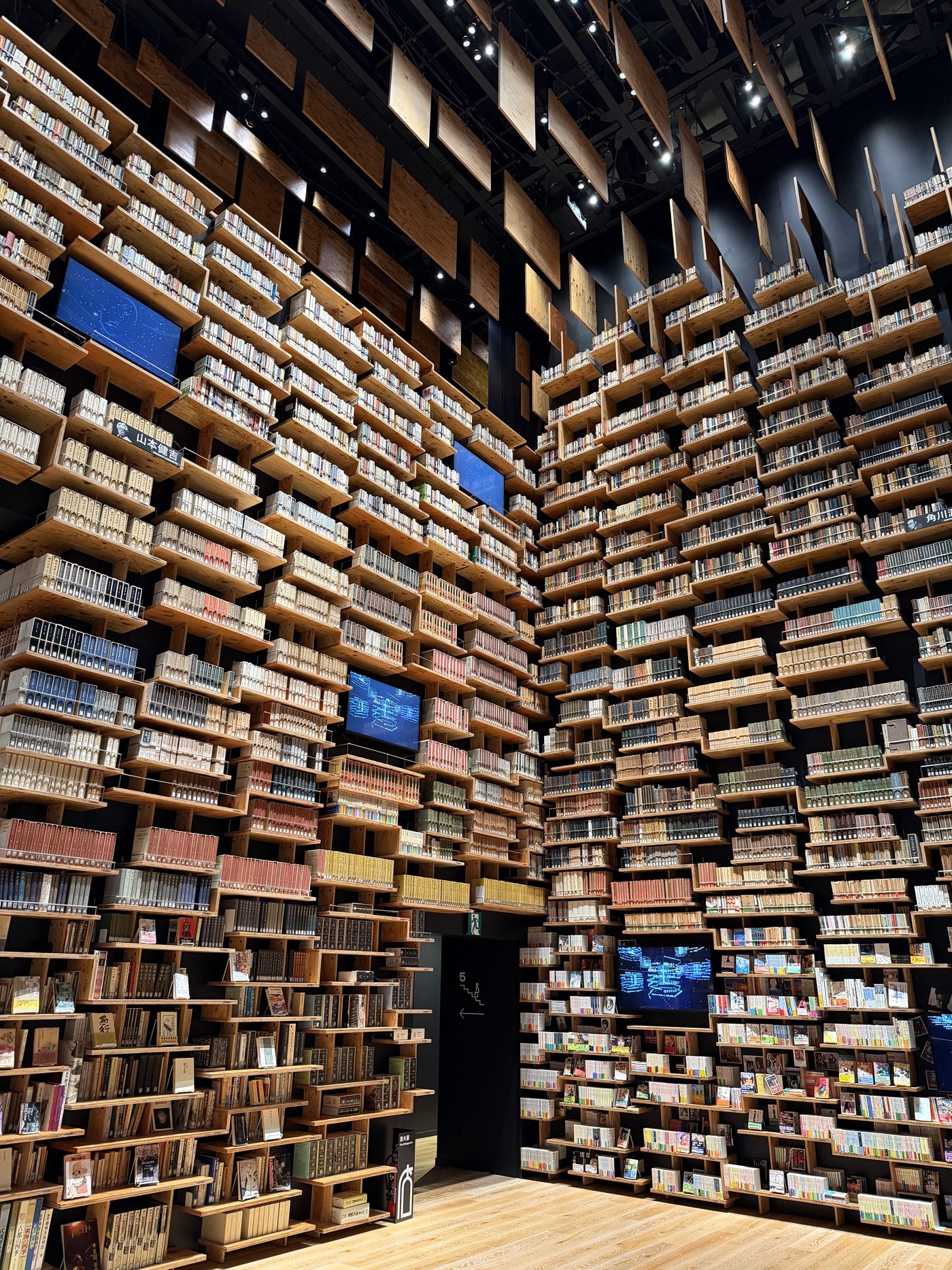
Inside the museum, the standout for me was the Bookshelf Theatre: a small theatre designed to look like a bookshelf, or a bookshelf designed to look like a theatre. The distinction, as with most things at Kadokawa, was pleasantly unclear.
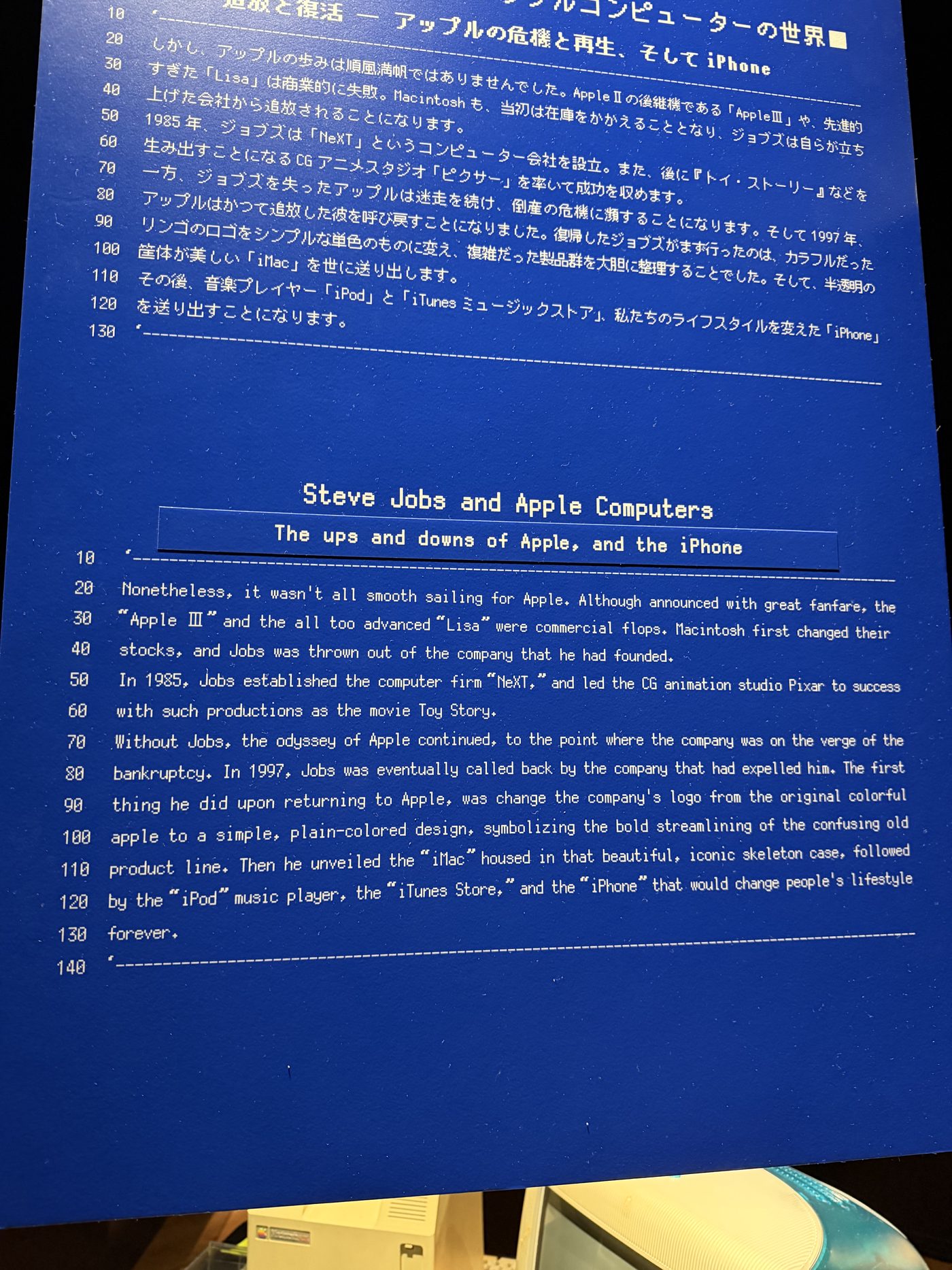
On the first floor, there was an exhibition tracing the history of technology and culture, from dinosaur bones through to personal computers. A sweep of everything, essentially. I was most drawn to the computing section, which charted the evolution from the earliest machines up through modern hardware. There were also vintage Atari consoles you could actually play (not pictured), though they were occupied by Japanese people who clearly had no intention of leaving.
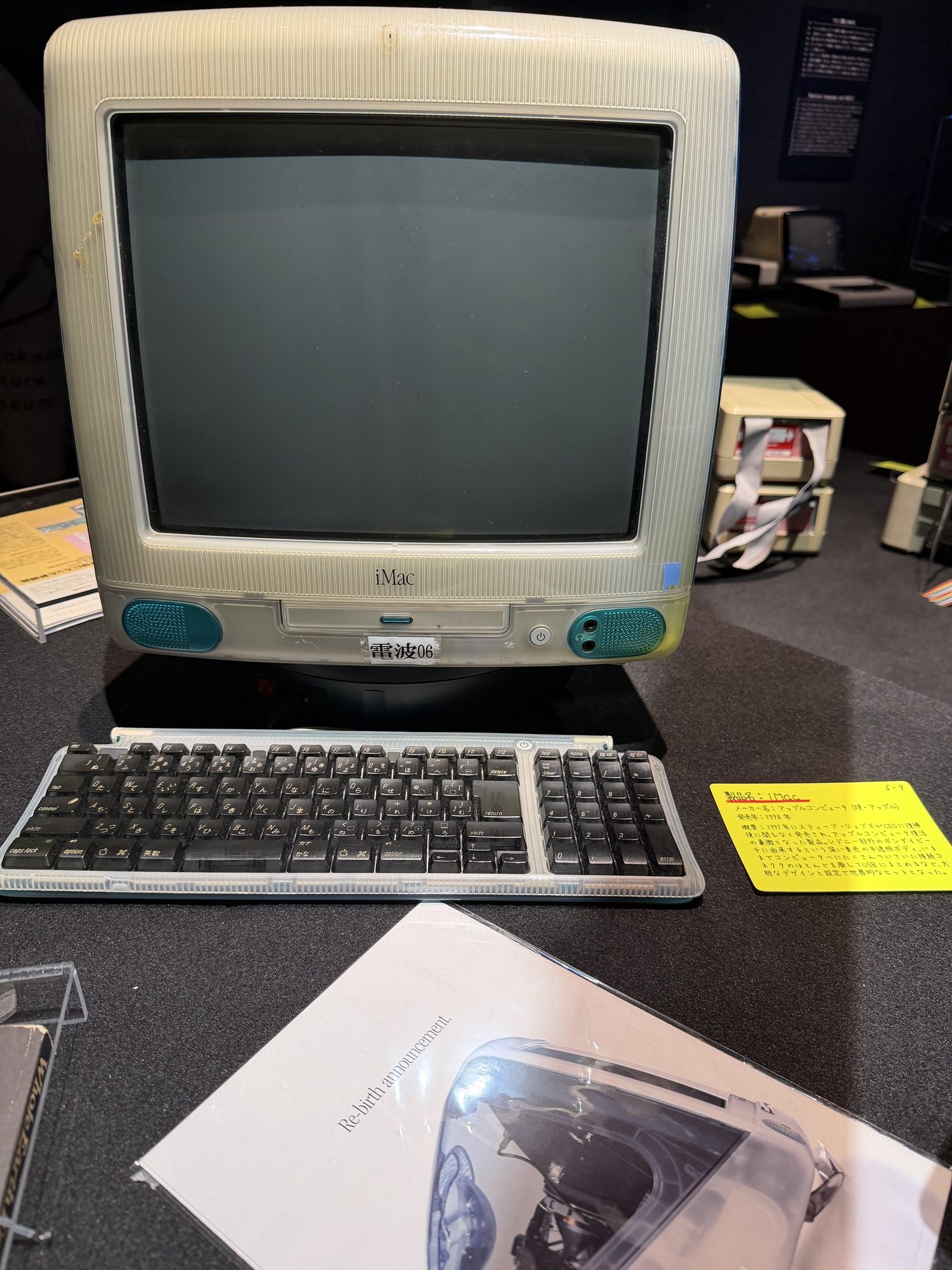
'Look Back' Exhibition
If you're not deep into anime, you may not have come across Look Back. It follows two girls: Fujino and Kyomoto (fun fact: Fujimoto is the name of the actual writer). Both are talented artists who draw for their school column. Kyomoto, however, is a hikikomori, a social recluse who rarely leaves her room.
The story begins when Fujino is sent to deliver something to Kyomoto's house. Things transpire, a friendship forms, they grow into serious artists together, and eventually put out their own manga. What happens after that is yours to find out.
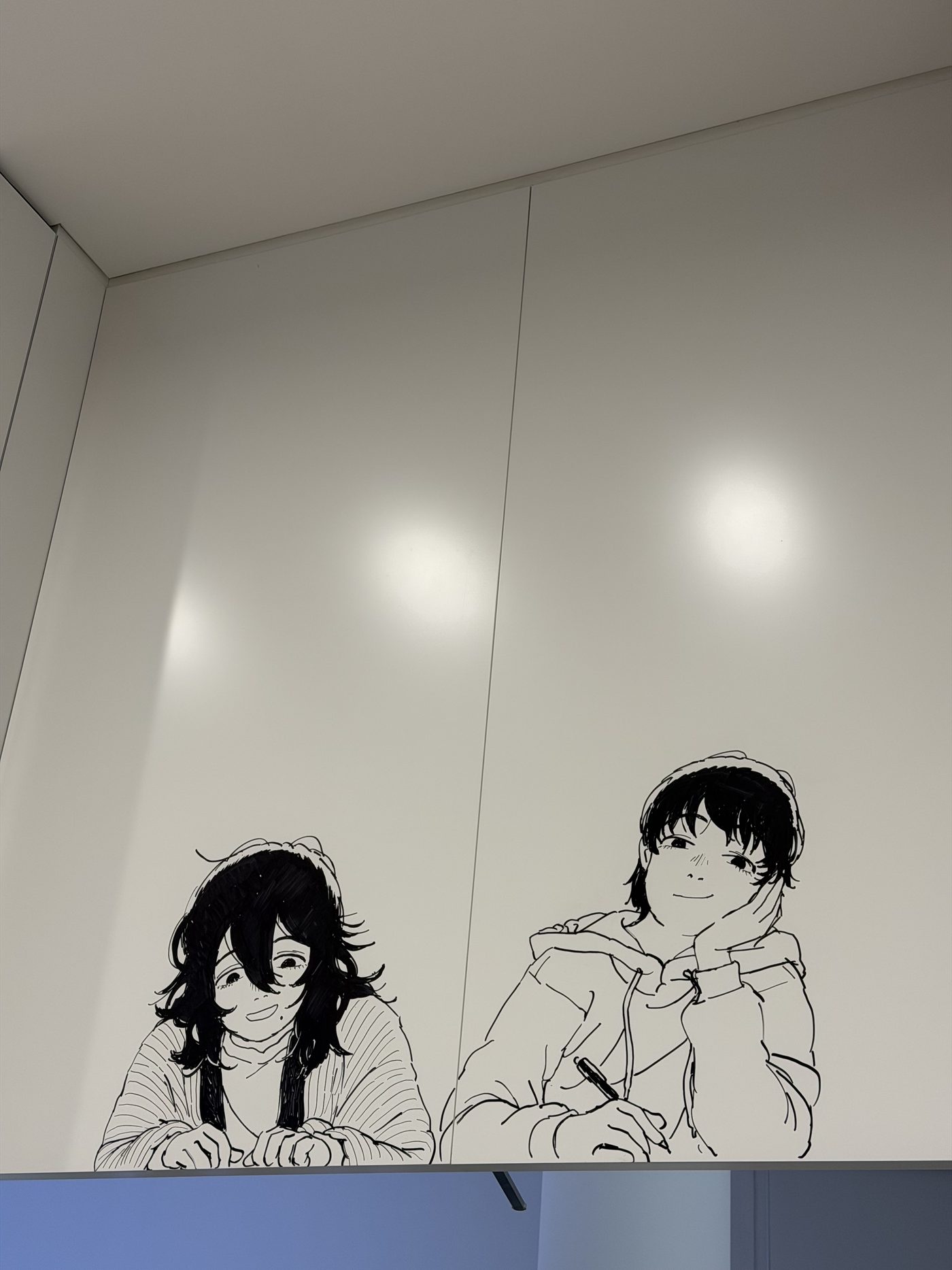
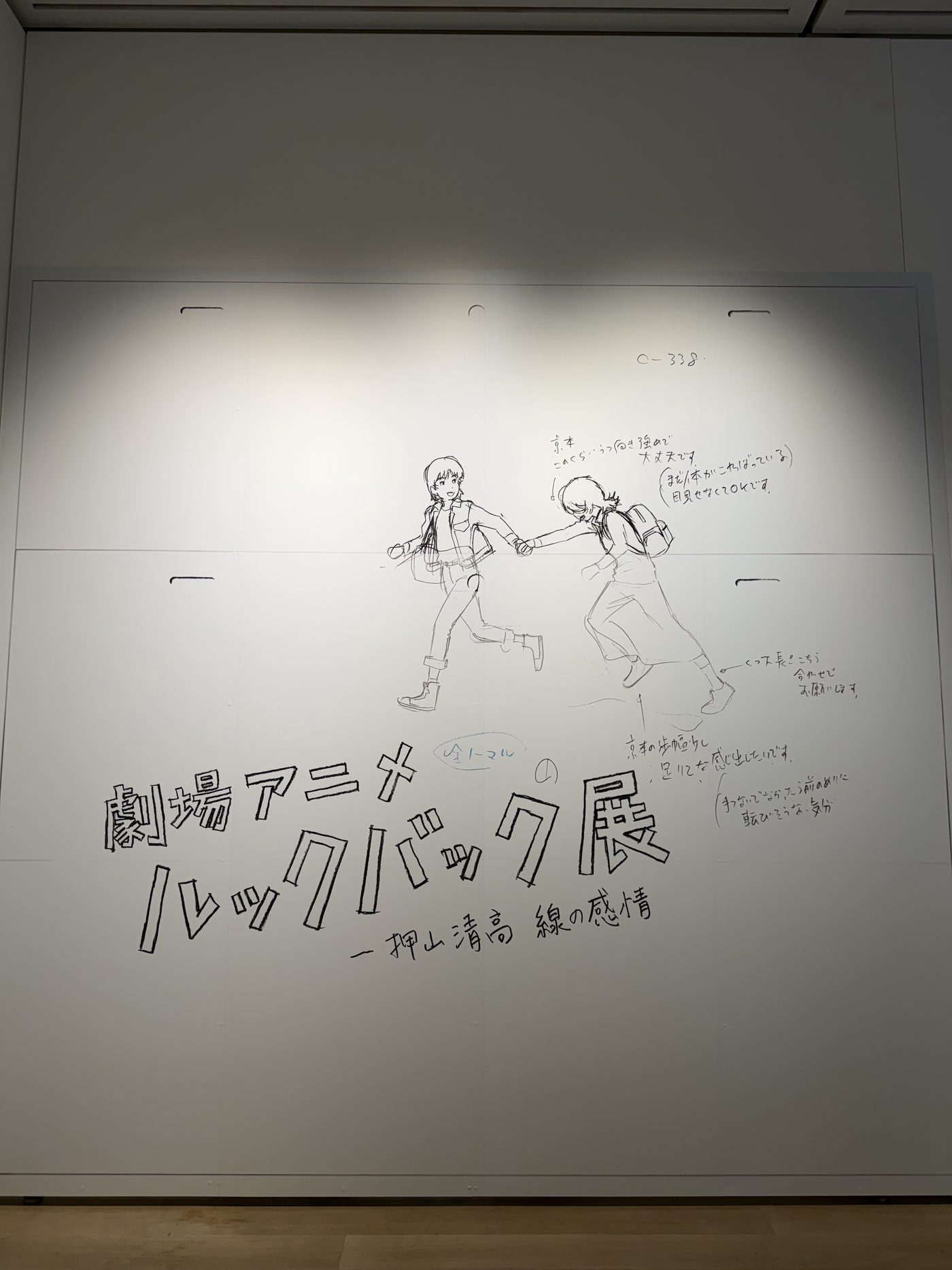
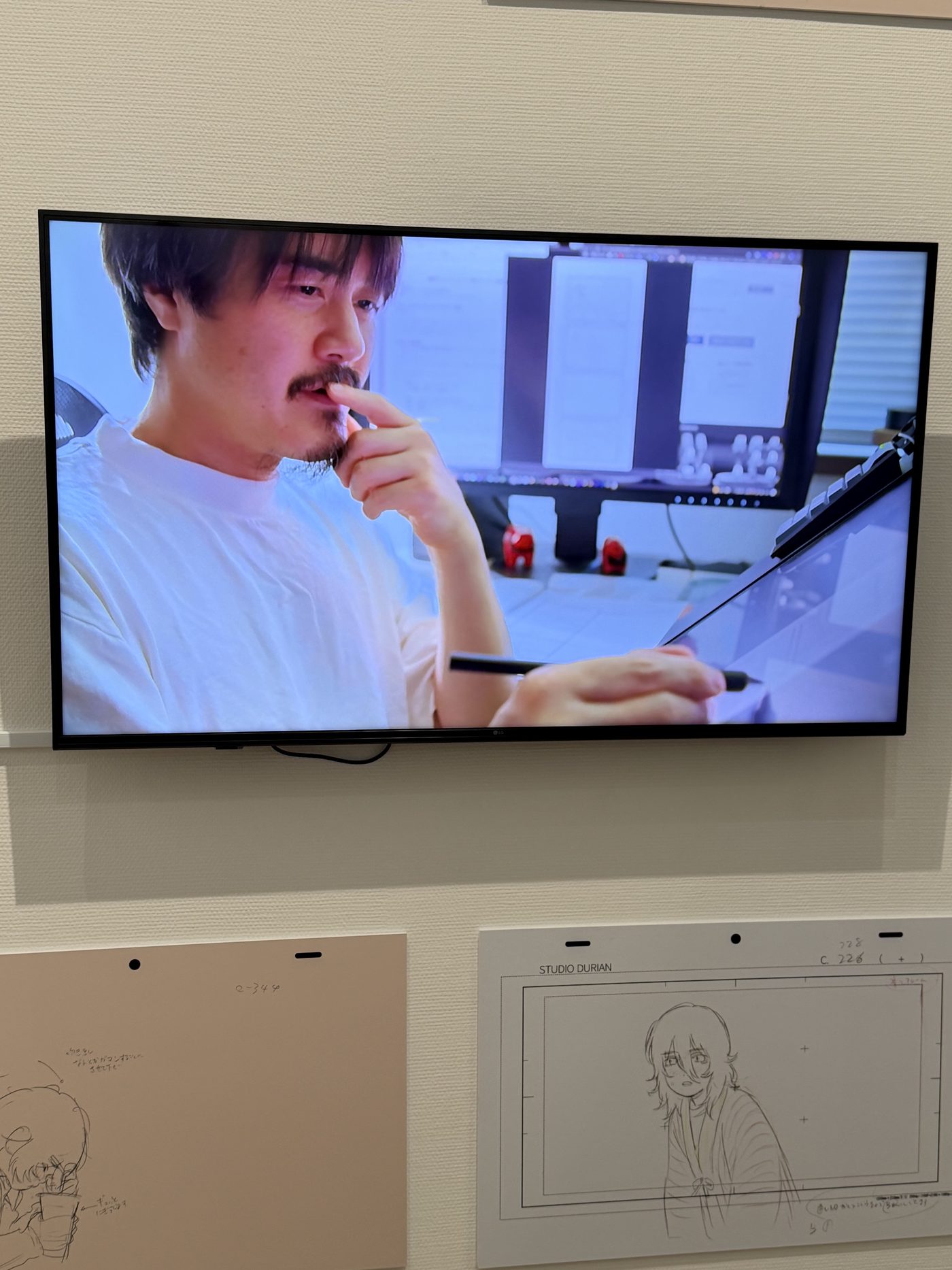
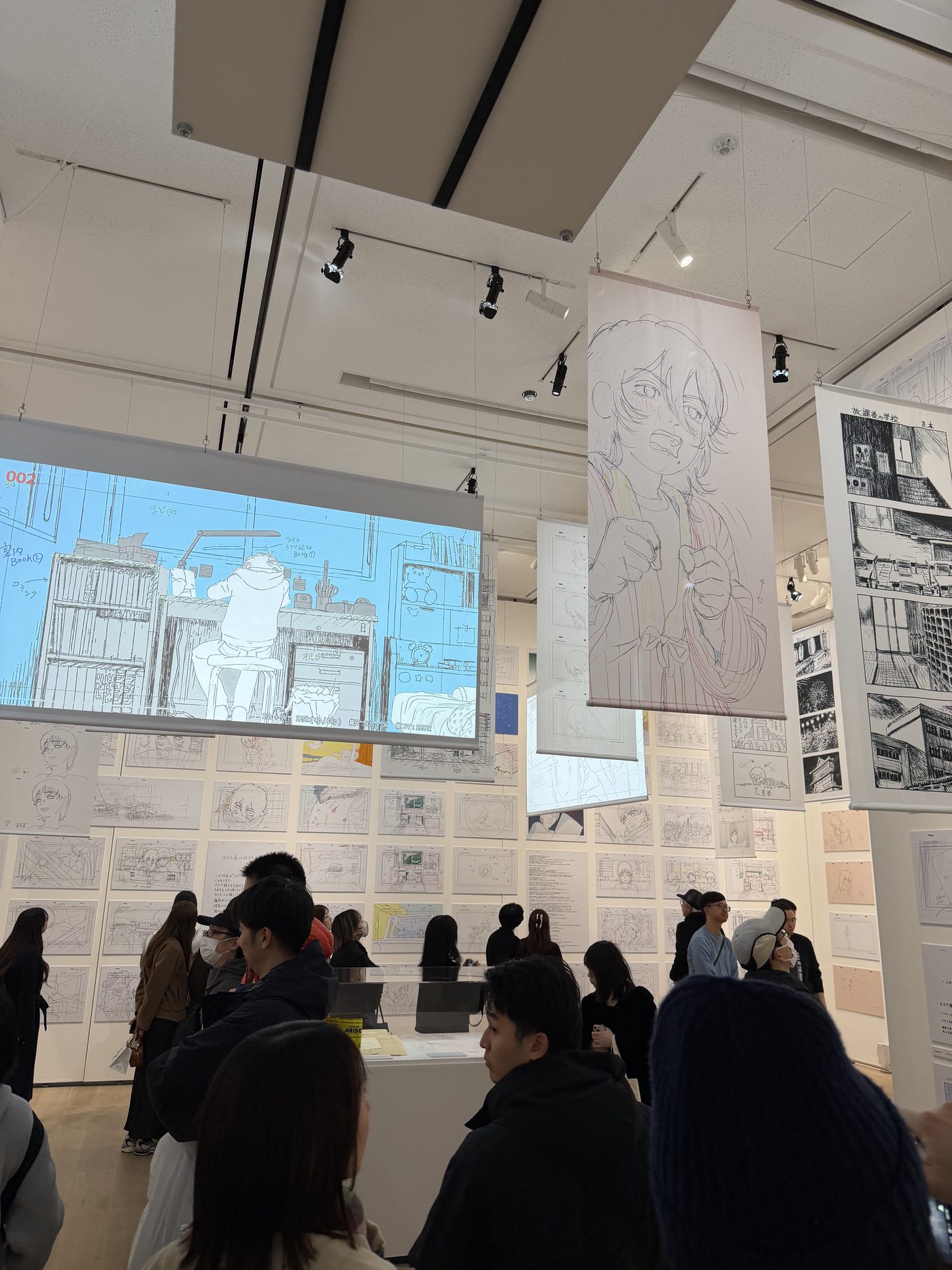
Looking back (hehehe) at the exhibition, the thing that stayed with me was the sheer volume of feeling in the original drawings. The detail, the motion, the emotional weight in single frames. I cannot draw, and being confronted with that level of craft up close doesn't help my confidence any.
The exhibition also hid some Easter eggs: a recreation of Reze's Cafe from Chainsaw Man, and the telephone booth from the anime. Worth looking for if you go.
Sumo Wrestling
I wanted to experience something distinctly Japanese on this trip. Something that would help me understand what makes Japanese culture Japanese. Baseball was my first choice, but the season was off. So, Sumo Wrestling it was.
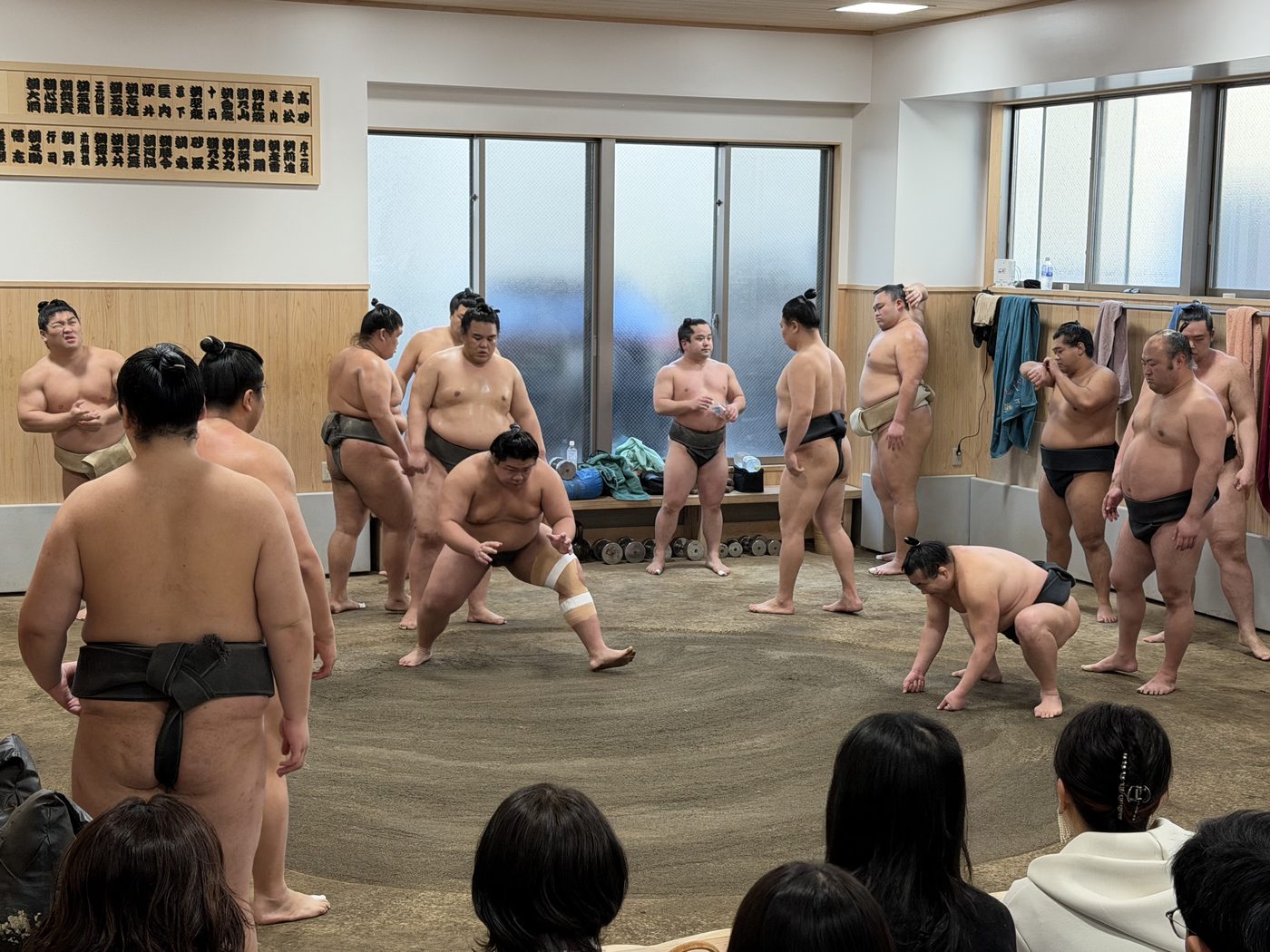
I'm not sure how to feel about the experience, even now.
On one hand, it was genuinely eye-opening to see them in person: the weight, the speed, the ritual. The training regime and the traditions that go into becoming a Sumo wrestler are fascinating in their own right.
On the other hand, watching them perform for a crowd of tourists felt uncomfortably voyeuristic. The pay is minimal, the long-term health consequences are severe, and many retired wrestlers face significant medical issues, including surgery to remove excess skin after losing weight. The sport also has a quiet identity crisis: Japanese people are no longer the ones dominating it, with most top wrestlers now coming from Mongolia. Whether Sumo still says something true about Japan, or whether it has become something performed for Japan rather than by it, is a question I left with.
But ok. At least Shinya (our tour guide) is making some money from it.
Some notable food experiences
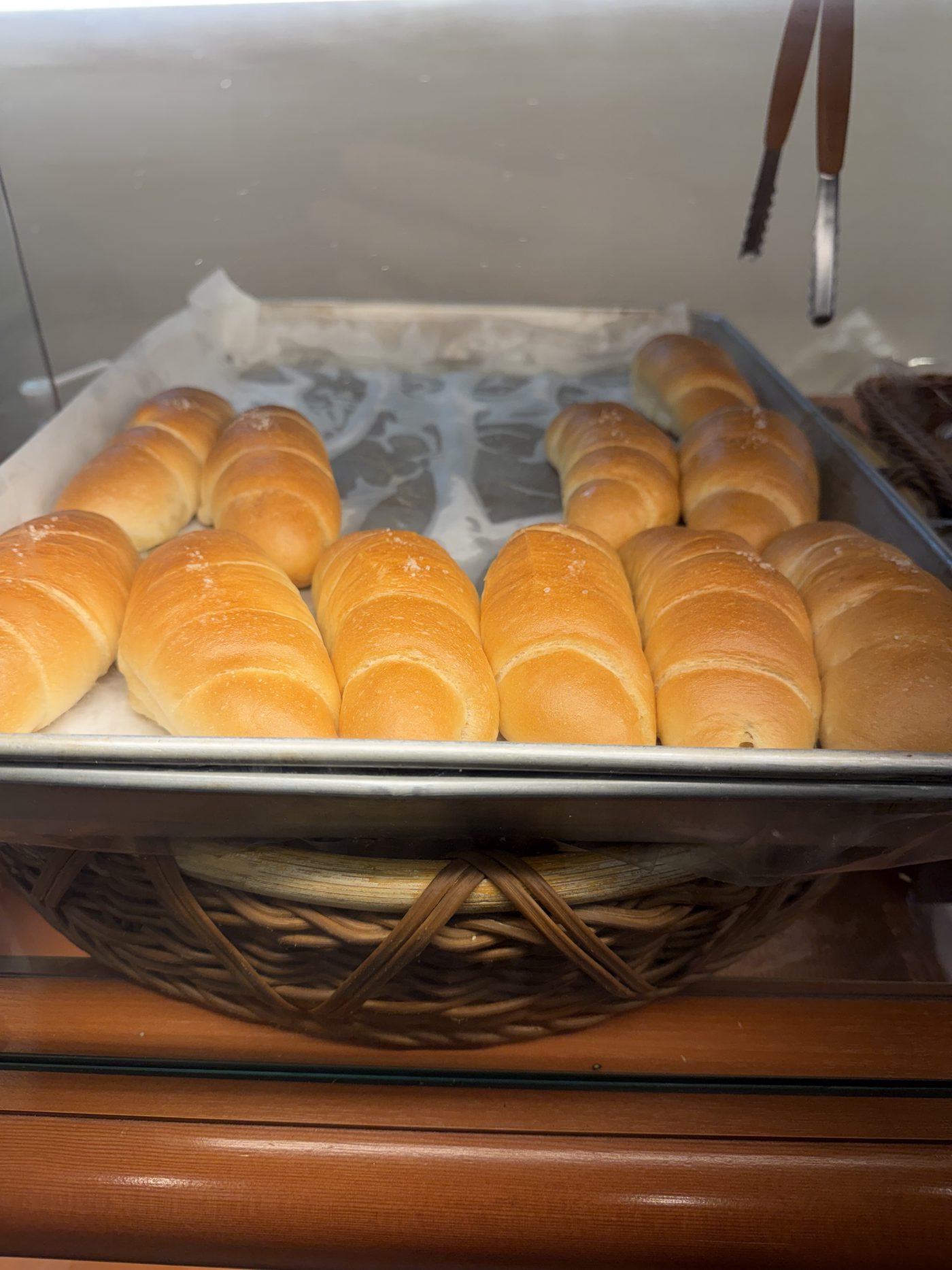
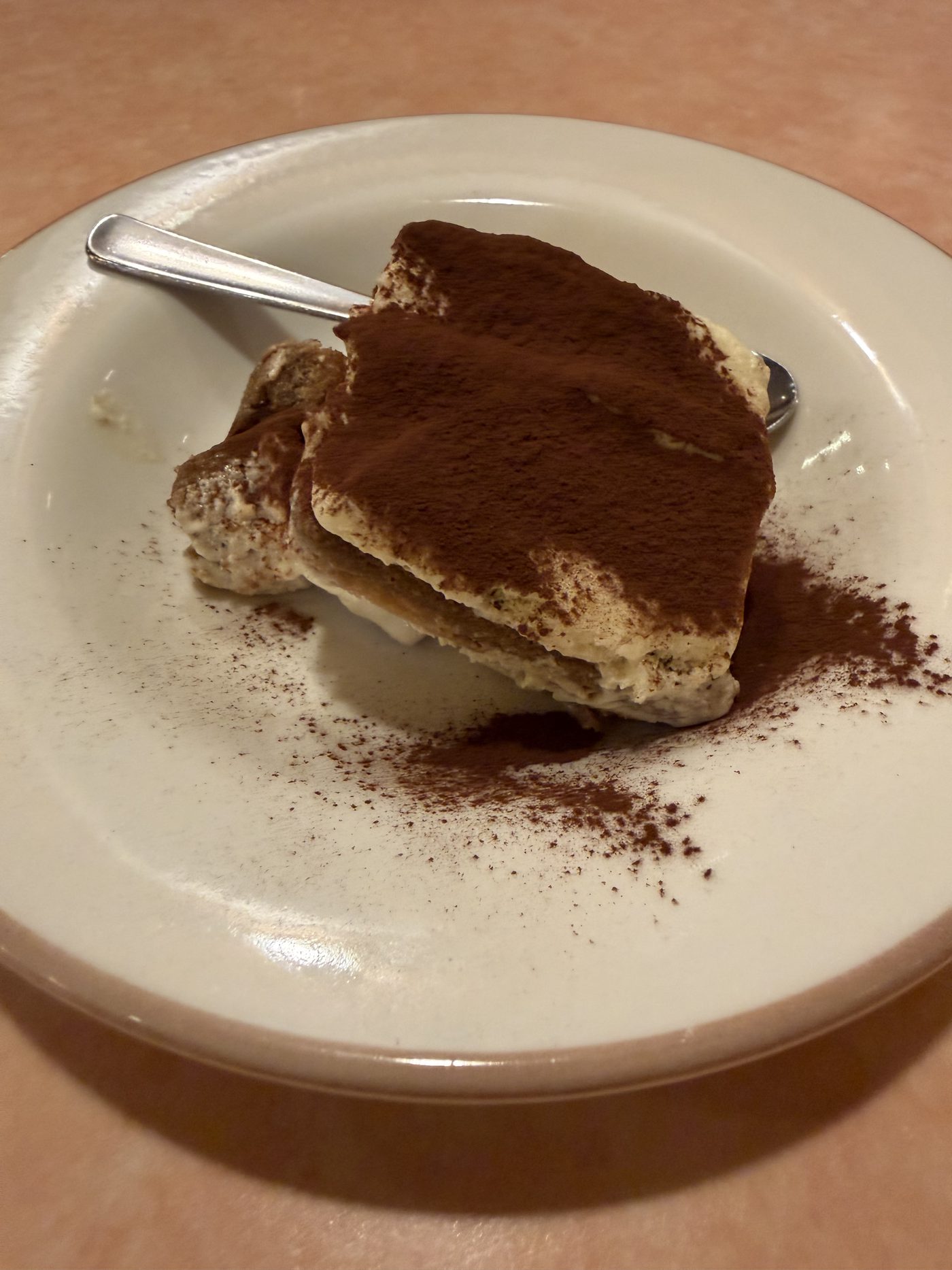
Haters of Saizeriya: come and fight me. Yes, it is a chain. No, it is not authentic Italian. The tiramisu is still genuinely good: real mascarpone (do not quote me on this), proper espresso, not cloying. It costs almost nothing. The drink bar alone is worth the visit. Honestly, this is a better date spot than most places charging triple the price. You didn't hear it from me.
More travels to come, Gulliver.