Japan with a Guy from Waseda University: Part 1
disclaimer, as much as I hate "parts": this got too long, so I split it in two.
First time in Tokyo!
All I knew was that I had to get out of the airport quick and get to the city.
The trains were not as confusing as I thought they would be. Though, it still took about an hour or so to get to the city.
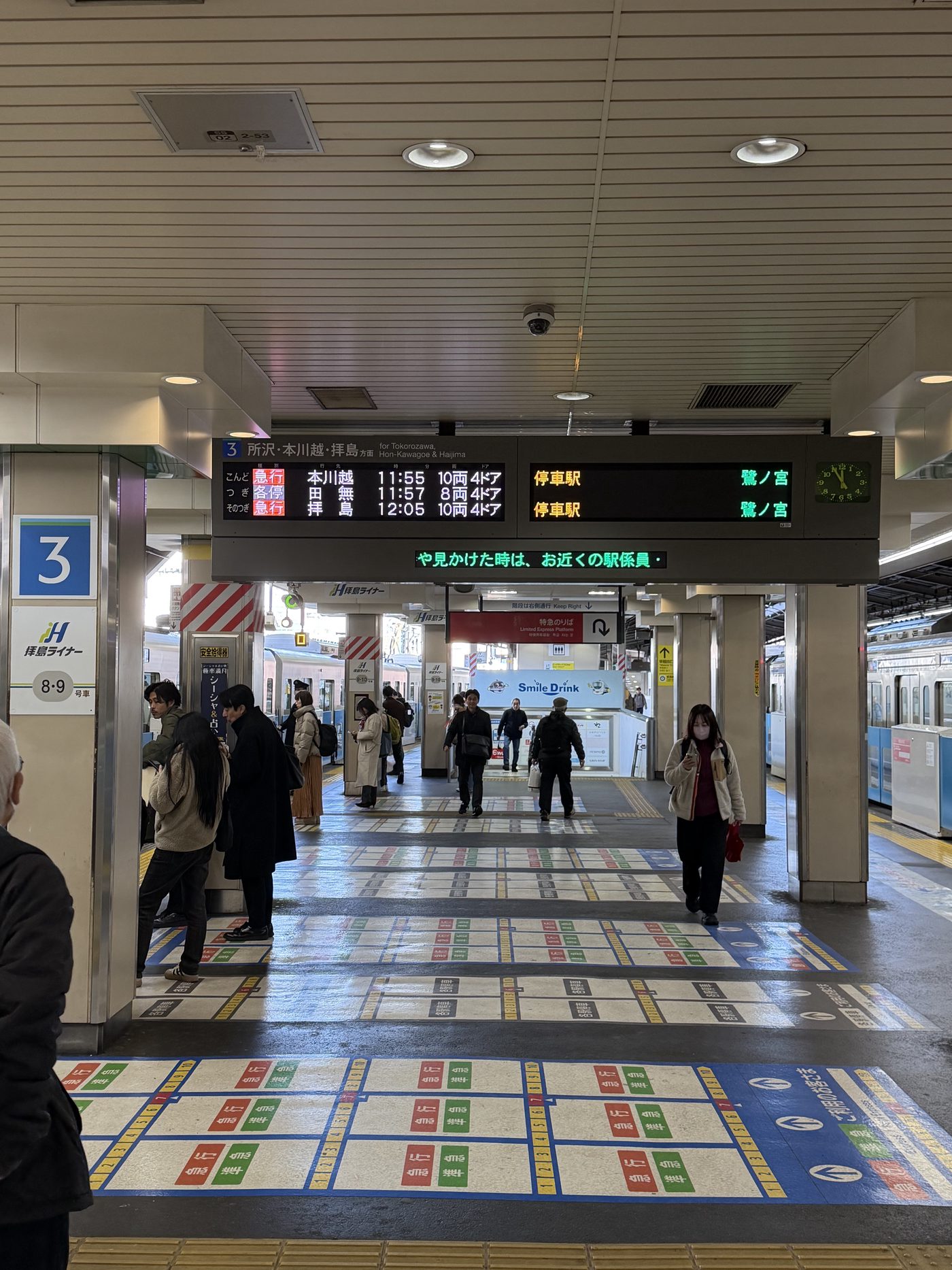
I will not detail this down to the hour, but only memorable highlights that I think are worth sharing. (at least, to me).
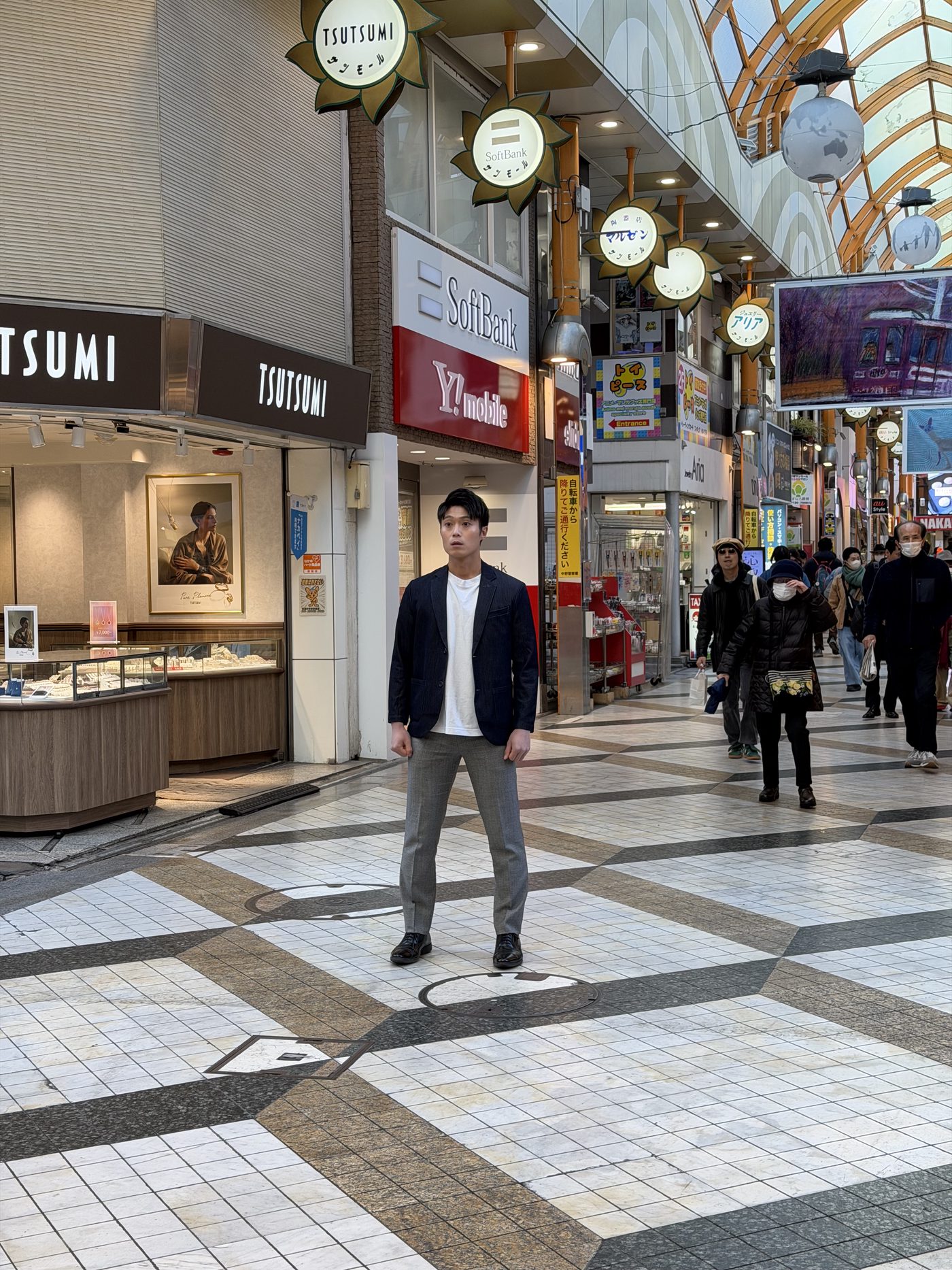
While strolling down some shopping street, we chanced upon a man shooting an advertisement. Perhaps, it was a transition into a new location because the scenes he was doing seemed rather abrupt. Felt like it was one of the many Japanese ads you get to see on the subway / malls.
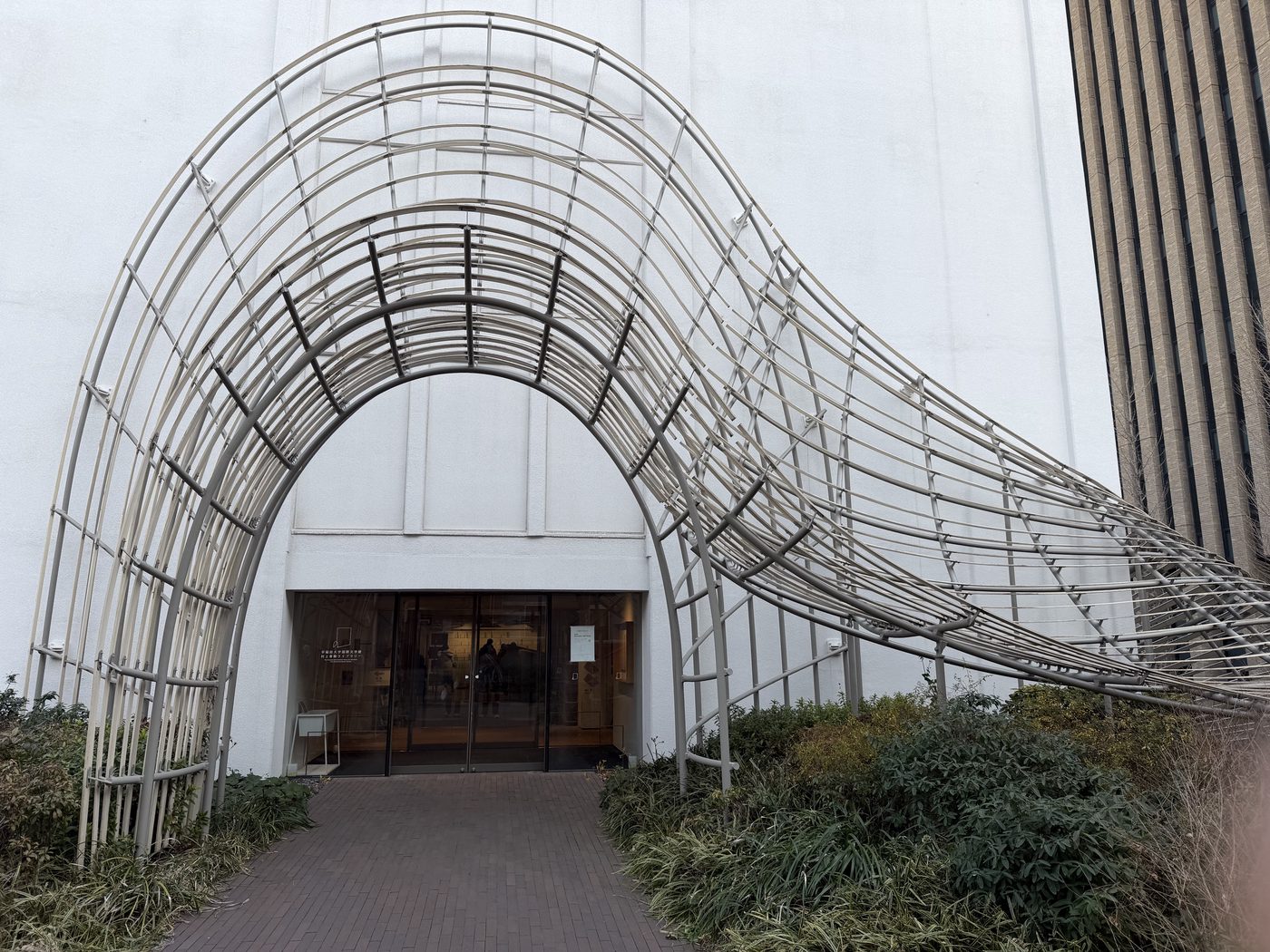
Waseda University, Murakami Library
Dropped by Waseda University, where my main agenda was to visit Murakami's Library. Murakami was the first author that brought me into the world of Japanese literature. And so, I ought to pay homage to the man at his alumni. The entire space was designed by Kuma Kengo I learned.
 pardon my finger...
The space was cosy, with a good selection of books and a peaceful atmosphere. Even the top floor was a space specifically curated with Murakami's possessions, along with his favourite selections of Jazz music (he used to run a Jazz bar known as Peter Cat).
Part of me kept pretending I was inside one of his books. It worked.
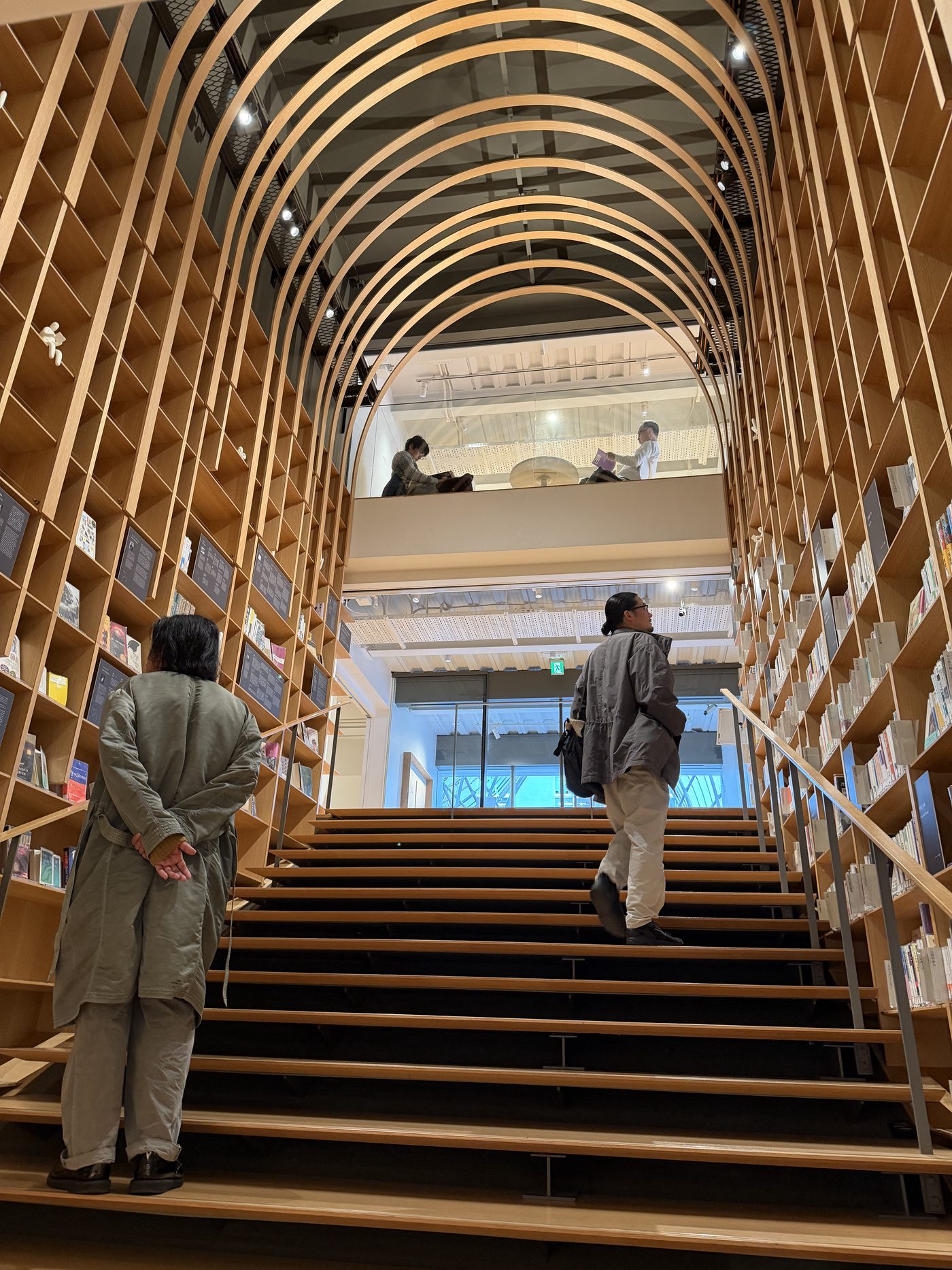
The library houses a collection of Murakami's works, including his novels, short stories, essays, and translations. Over 50 different translations, although I've only ever read his English translation (Oh, blimey!).
There were also some works by other Japanese authors that I recognized, such as Mieko Kawakami, and she left a note in the library as well. Always thought that they had beef. (Maybe beef might be too strong a word).
Afterall, I guess this space is a living house where collaborations and friendships can be formed. Would definitely dive into the world of Japanese literature more after this trip.
Some that I've already added to my reading list after visiting the library:
- No longer human by Osamu Dazai
- Temple of the golden pavilion by Yukio Mishima
- The Makioka sisters by Junichiro Tanizaki
- Kitchen by Banana Yoshimoto
A walk around Tokyo Imperial Palace
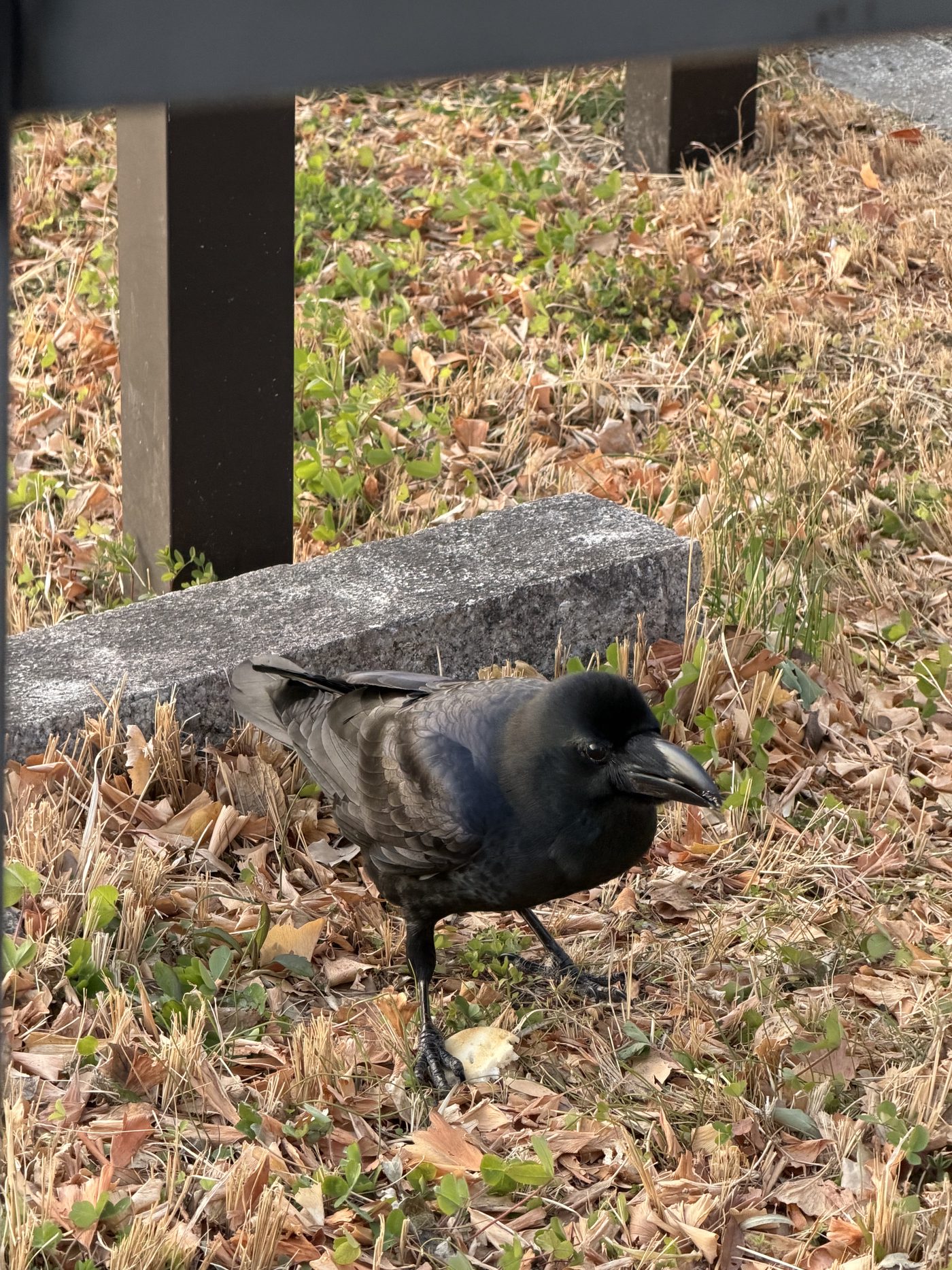
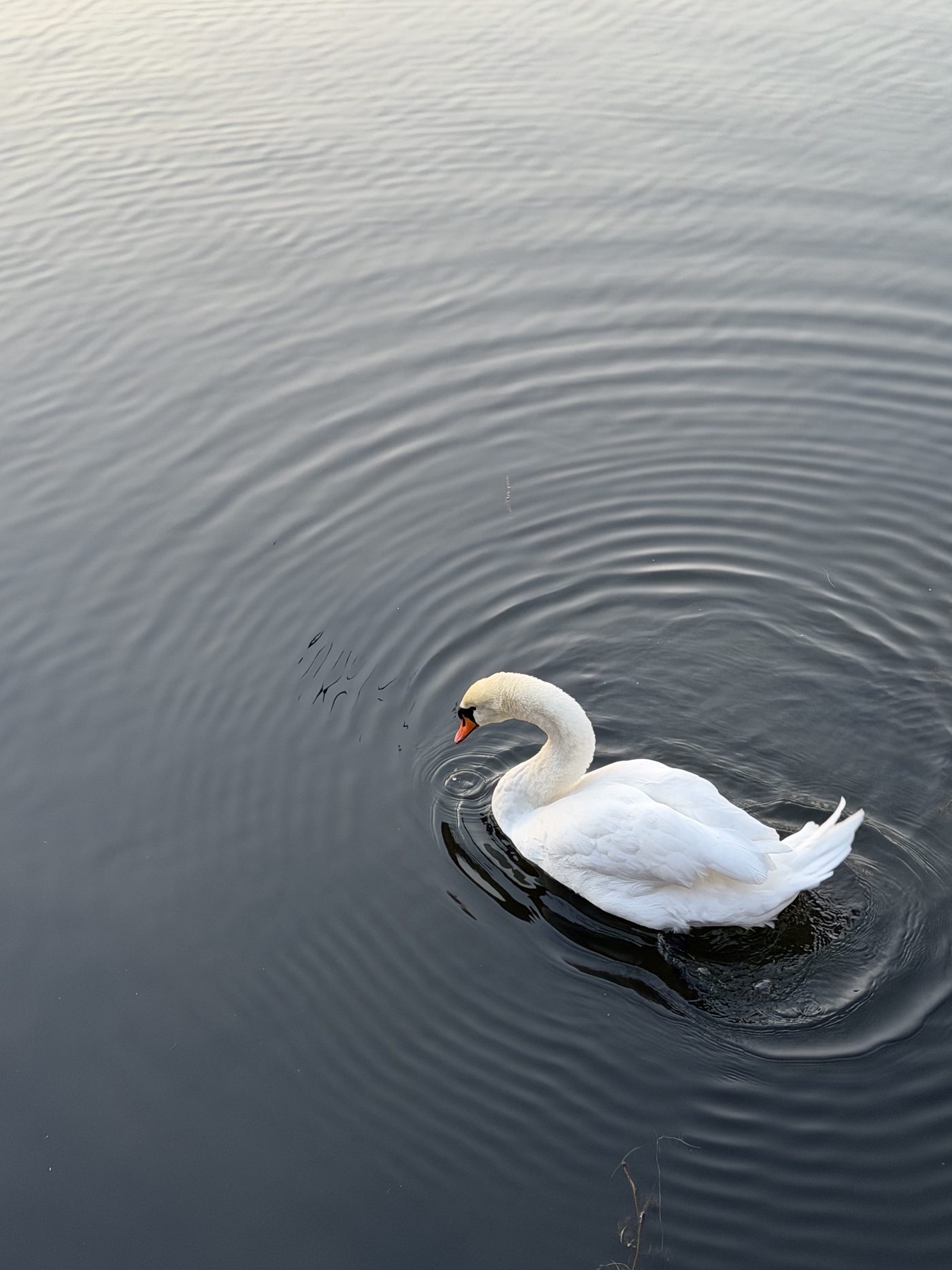
Then, I was on my own for a little bit. Touring around Tokyo Imperial Palace. Half of me felt like going for a run around the palace, but I was rushing for an omakase dinner soon (so I definitely didn't have time for that). One strange encounter that I experienced while walking around the palace was that the birds are so fucking huge. What in the world. Some evidence like these:
Omakase Dinner
My first omakase dinner was at a place called Sushiso Masa, which is a restaurant known for serving 'Abura bozu' or 'Skilfish' aka the "Oily Boy".
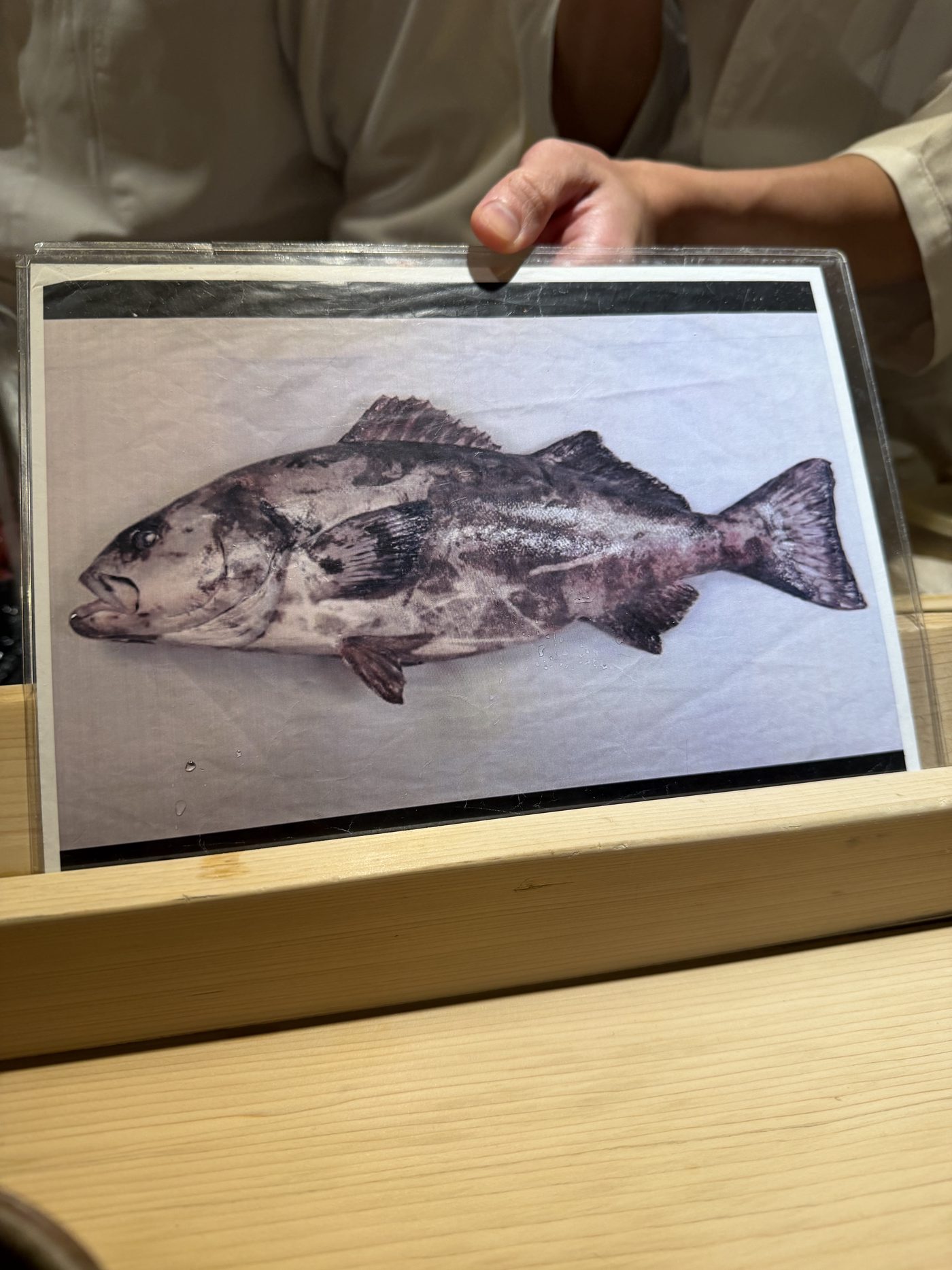
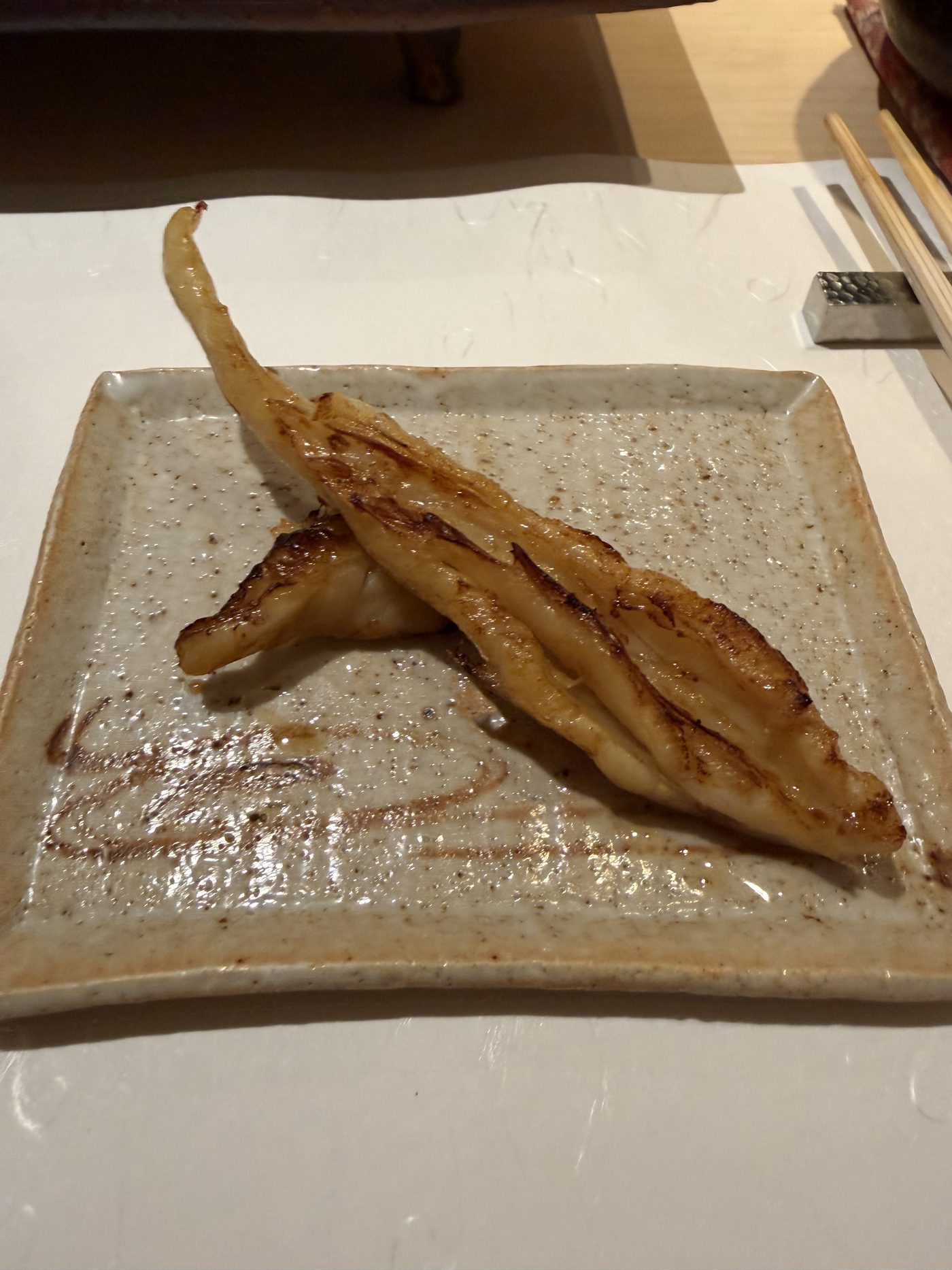
Oily, true to its name — but the texture was silky and the flavour deep and savoury. Not something I'll forget in a hurry.
Also learnt that you don't always need soy sauce; the chef seasons each piece already. It took real effort to trust that and not dip out of habit.
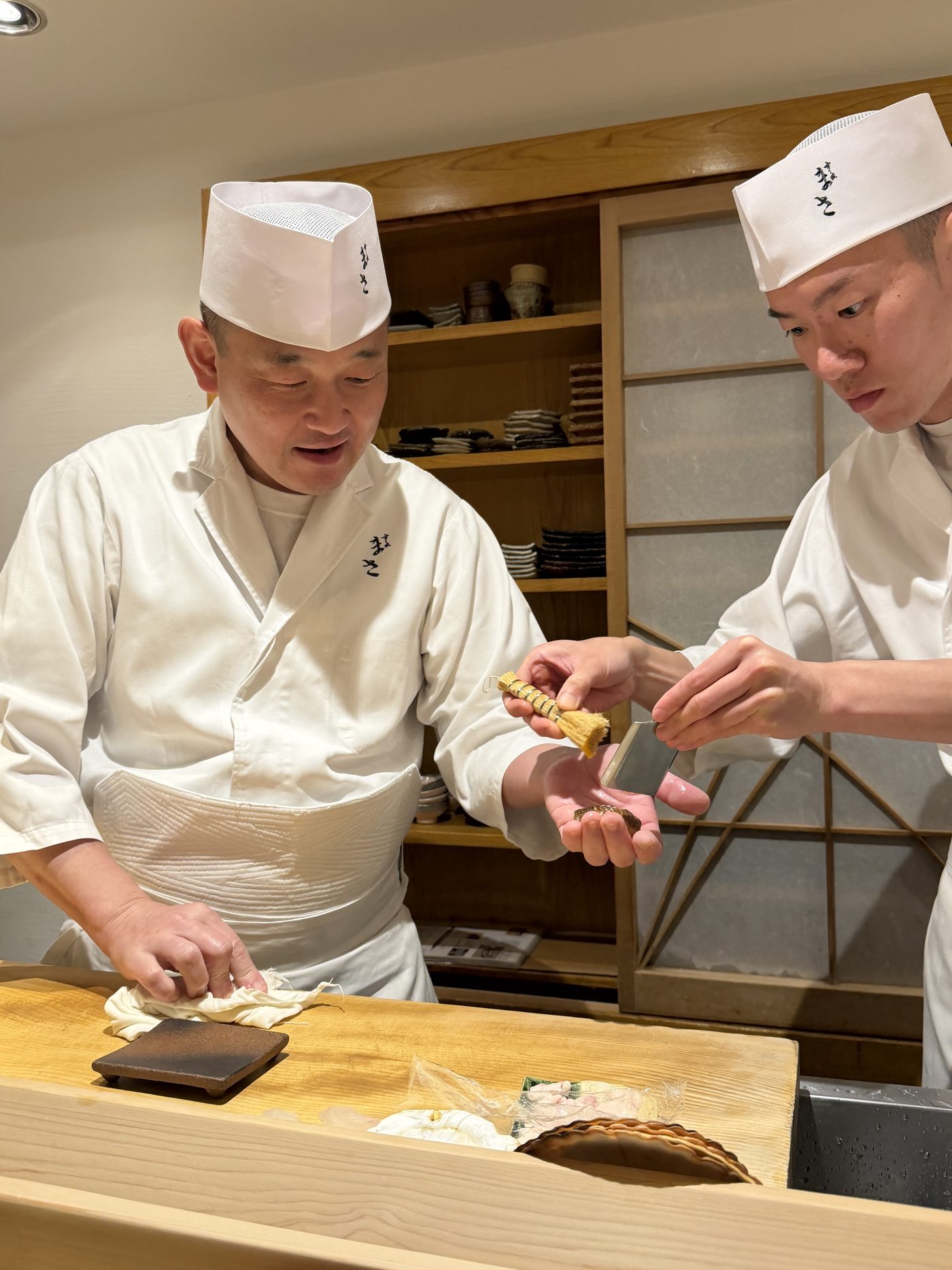
Throughout the dinner, the chefs were mostly speaking Japanese. I kept wishing I could understand them, or had brought someone who could. But one of the chefs, originally from Macau, was friendly enough to explain the dishes in English.
Short History lesson: The Evolution of Sushi in A Chronological Journey
The Southeast Asian Root
Ancient Mekong River
The Innovation: Freshwater fish is gutted, salted, and packed into cooked rice.
The Purpose: Pure food preservation without refrigeration. Lactic acid from the fermenting rice stops bacteria from spoiling the fish over several months.
The Catch: The rice turns into a sour, foul-smelling paste and is thrown into the garbage. Only the preserved, sour fish is consumed.
Narezushi Arrives in Japan
Nara Period (710–794)
The Transfer: The preservation method travels to Japan via China.
Cultural Adaptation: Known as Narezushi (aged sushi), it becomes a valuable commodity used for tax payments and temple offerings.
Modern Remnant: Funazushi (fermented crucian carp from Lake Biwa) is still made today, known for its intense, cheese-like aroma.
The Rice Vinegar Shortcut
Edo Period (1603–1867)
The Innovation: Chefs grow tired of waiting months for fermentation and begin mixing fresh rice vinegar directly into warm rice.
The Shift: The vinegar provides an instant tangy, sour flavor, entirely bypassing the fermentation wait time.
The Result: Because the rice remains fresh and delicious rather than turning to mush, people finally start eating the rice and fish together (Haya-zushi).
The Fast-Food Revolution
Late Edo Period
The Creator: A street-stall vendor named Hanaya Yohei operates in the bustling metropolis of Edo (modern Tokyo).
The Birth of Nigiri: He takes the vinegared rice, shapes it by hand, and tops it with fresh seafood caught right from Tokyo Bay.
The Concept: Sold as cheap, convenient street food for busy laborers. Original pieces were huge (the size of a slider), eaten with bare hands right at the cart.
Edomae Techniques: To prevent spoilage before refrigeration, chefs master marinating tuna in soy sauce (Zuke), curing mackerel in vinegar (Shime), and cooking eel (Anago).
Global Boom & High-End Standardization
Post-WWII & Showa Era
Modern Tech: Refrigeration, indoor plumbing, and rapid transport allow sushi to move from outdoor street stalls into clean, indoor luxury counters.
Going Global: The California Roll in Los Angeles acts as a gateway drug for Westerners, turning sushi into an upscale international phenomenon.
The Birth of Omakase
The Japanese Bubble Economy
The Problem: Newly rich corporate workers flood premium sushi counters with massive budgets but zero knowledge of seasonal fish or traditional dining etiquette.
The Phrase: Customers begin using Omakase ("I leave it up to you") to hand total control to the chef.
The Legacy: This saves face for the customer, lets the chef showcase the absolute best catch of the day with zero waste, and permanently elevates sushi into a curated, theatrical performance.
Shibuya Toilet Hunting (Perfect Days)
Started off with Gyukatsu Motomura
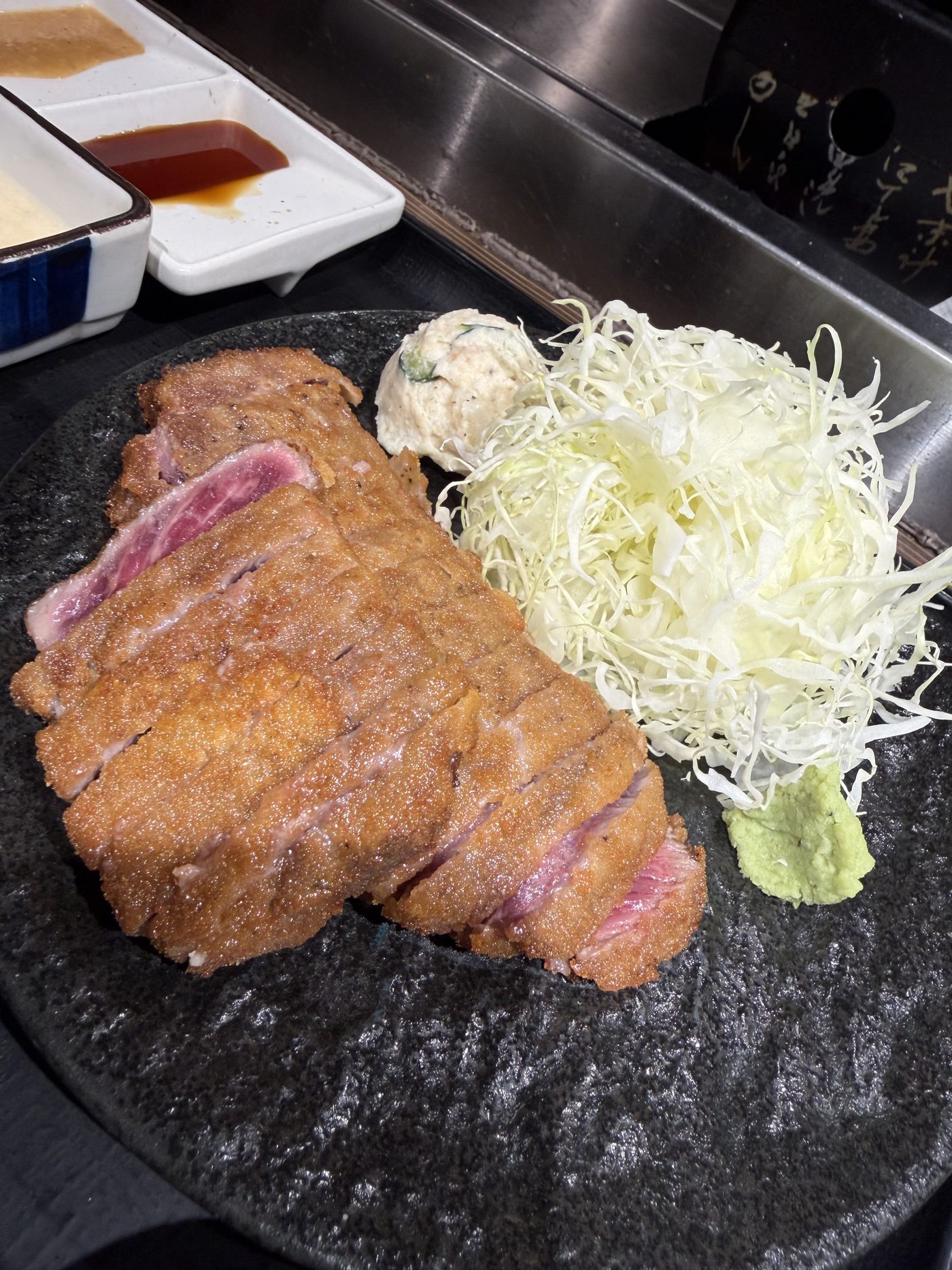
I'd had wagyu before and thought the experience would be similar. But the breading changes it — makes it so much more (I can't say more delicious. Just 'more'). Crispy outside, oily in the best way. Could get a bit rich toward the end, same as wagyu.
Public Toilet Hunting!
We went hunting for the public toilets featured in Perfect Days around the Shibuya area.
The full list of toilets can be found here.
The one I most wanted to see was designed by Shigeru Ban, where the translucent coloured glass turns opaque once occupied.
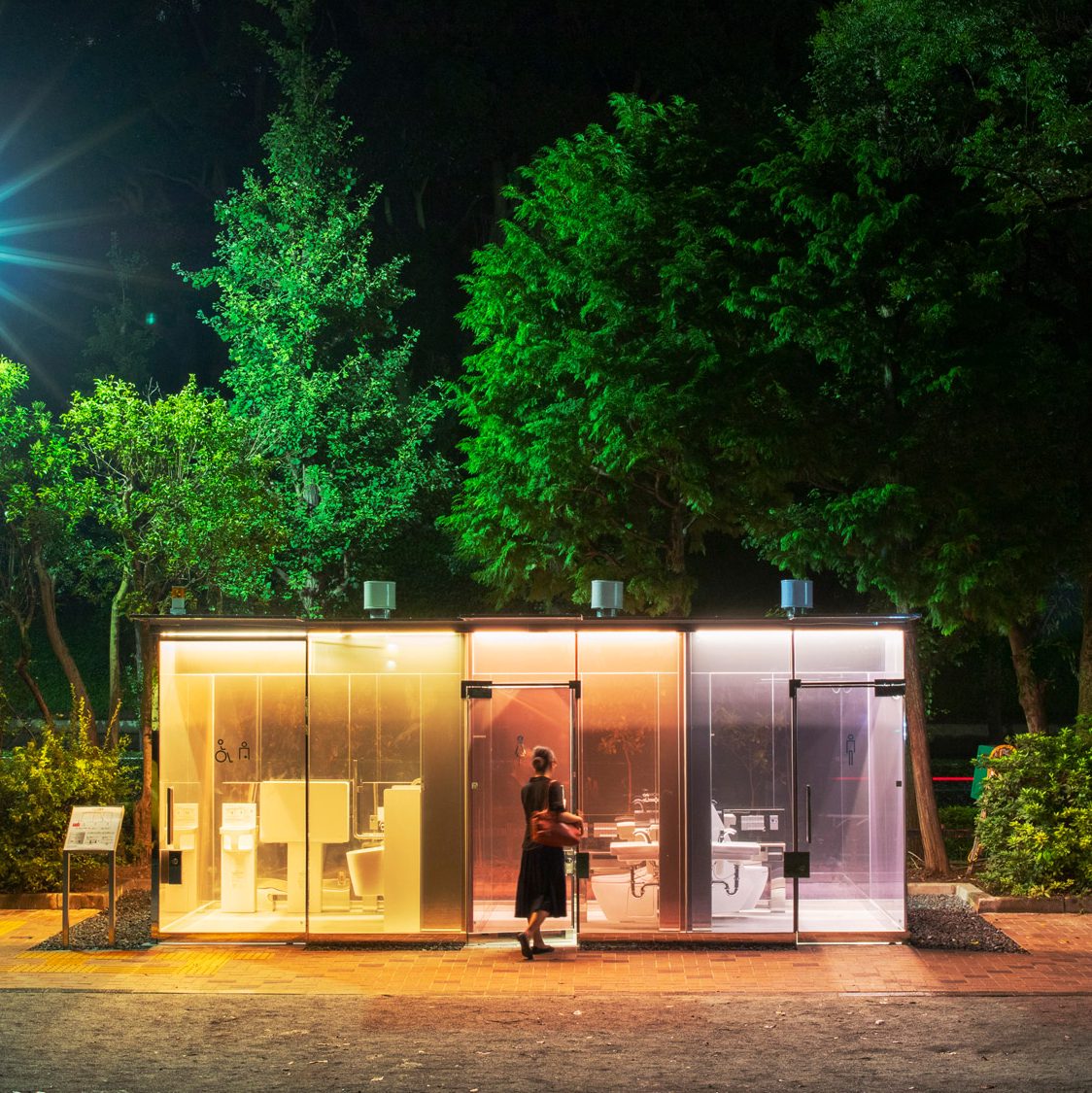
After learning the opaque feature only works in summer, I decided not to bother.
Some of the toilets we visited:
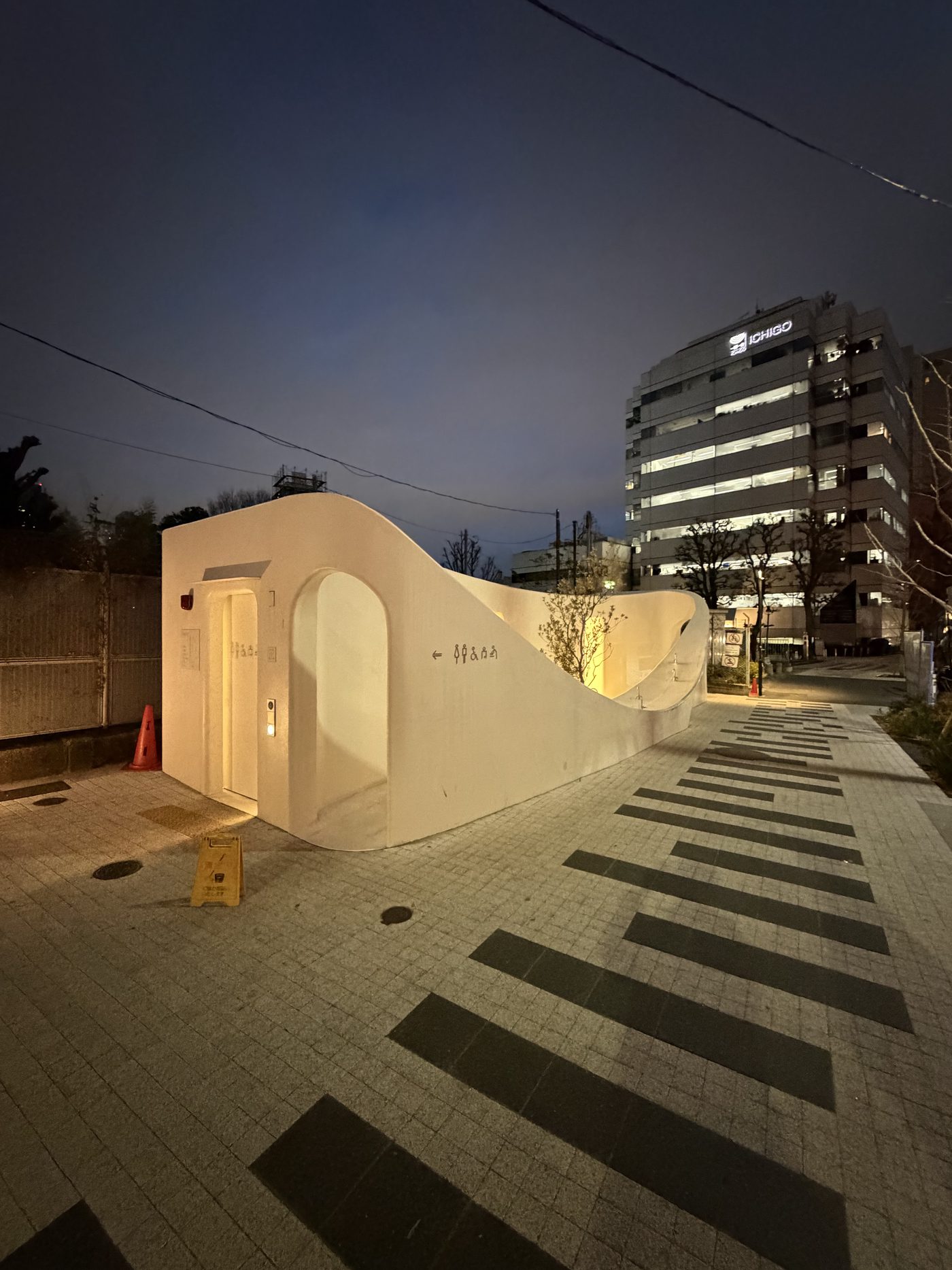
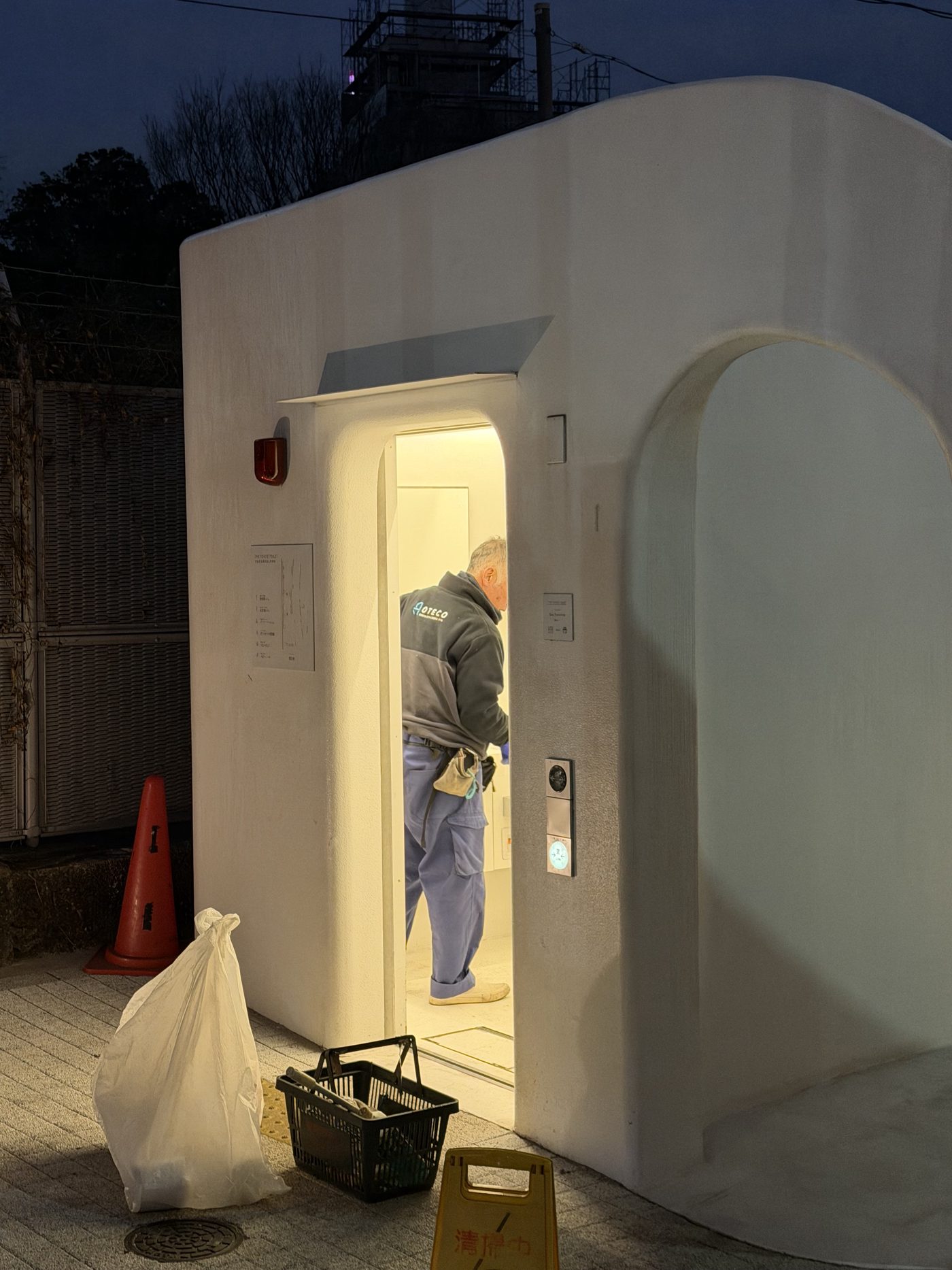
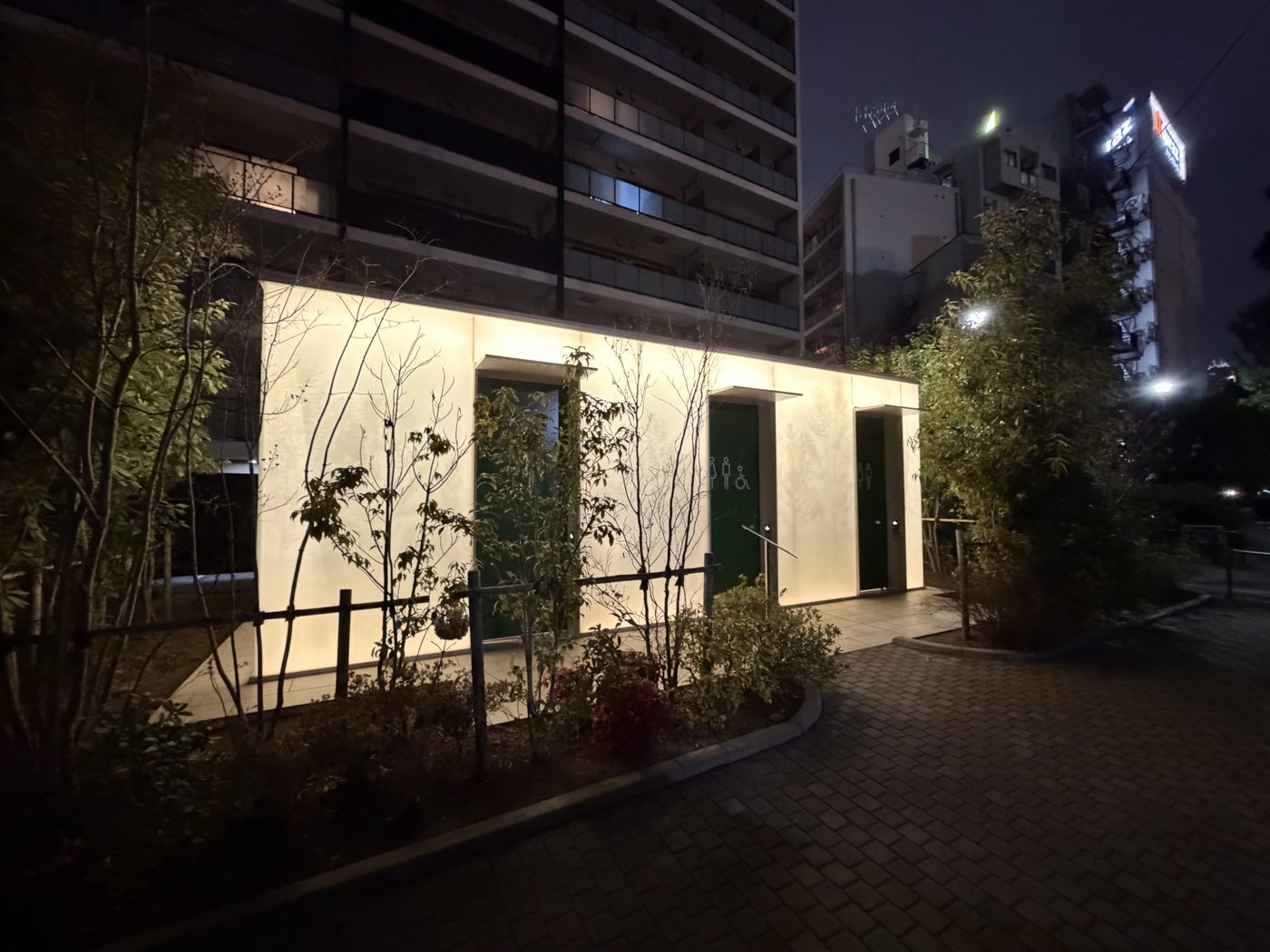
Glows in the dark at night. That's fun.
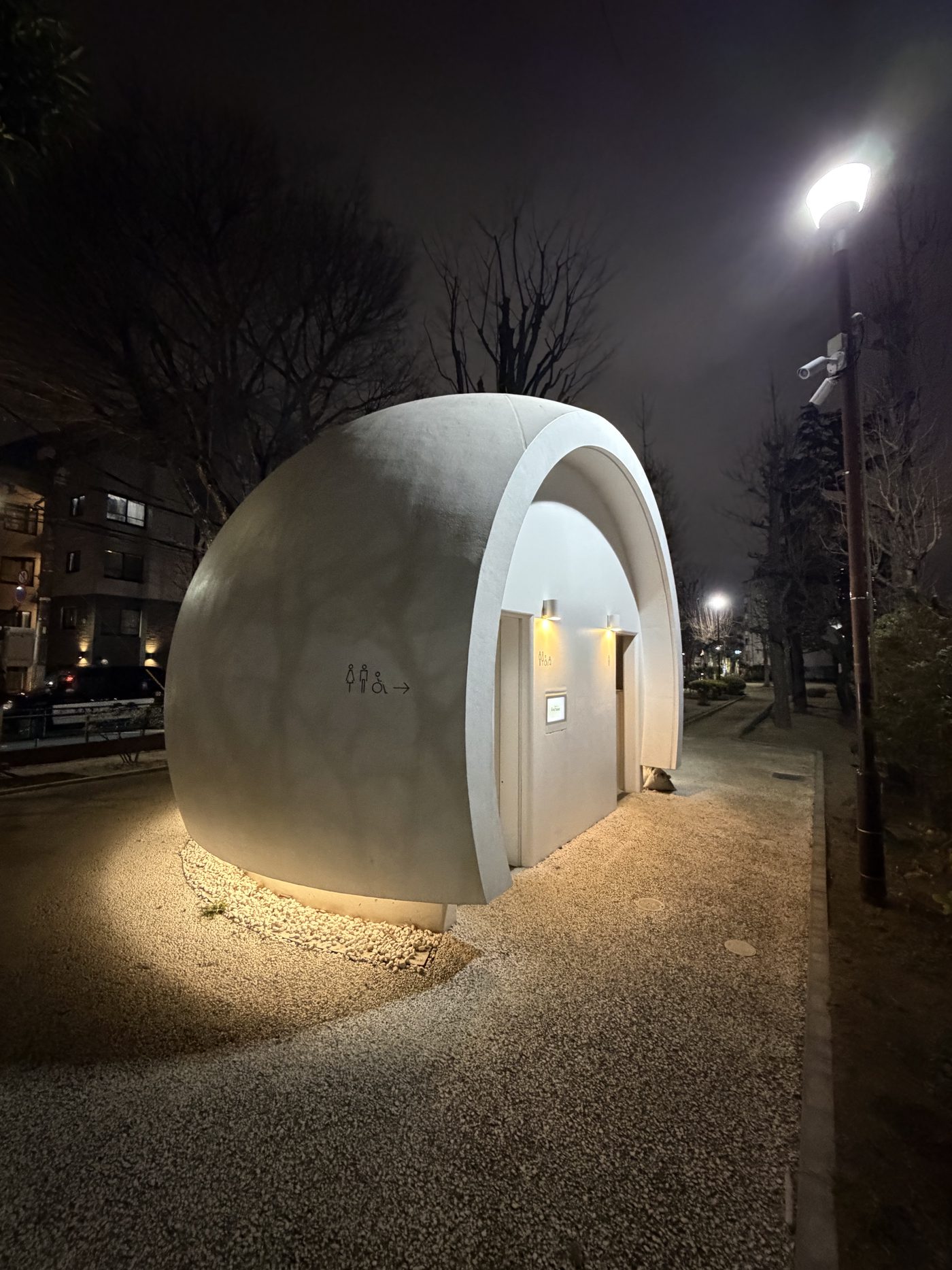
Most disappointing of the lot. The voice assistant wasn't working — no response, nothing. The design is cute though. Even when I tried to inflect my voice in a Japanese (some might say 'racist' while others say 'kawaii') accent, it still did not work.
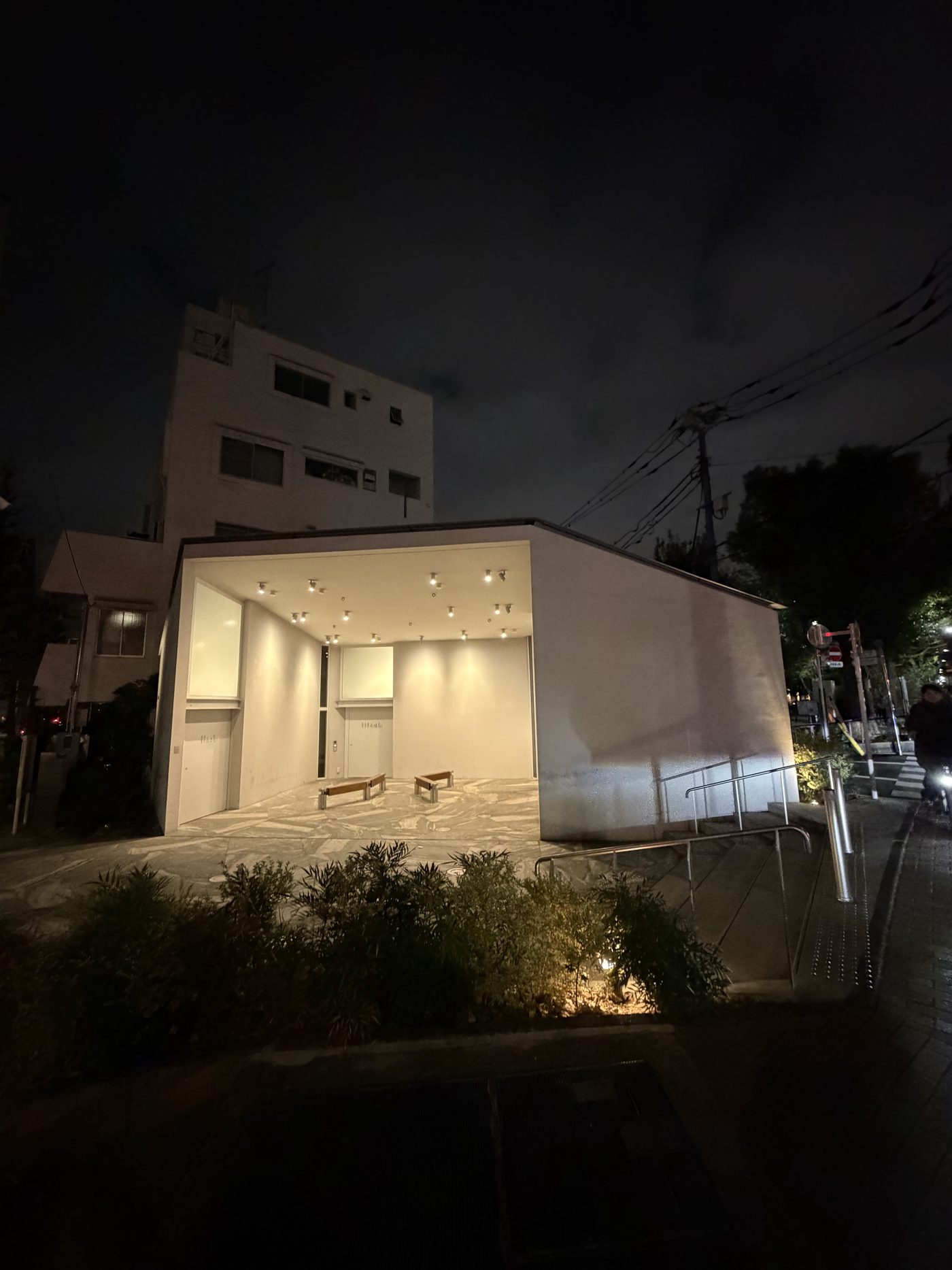
Looks interesting from the outside, but the inside is basic. There was also a stool left in the urinal area. Public toilet or not, come on, people.
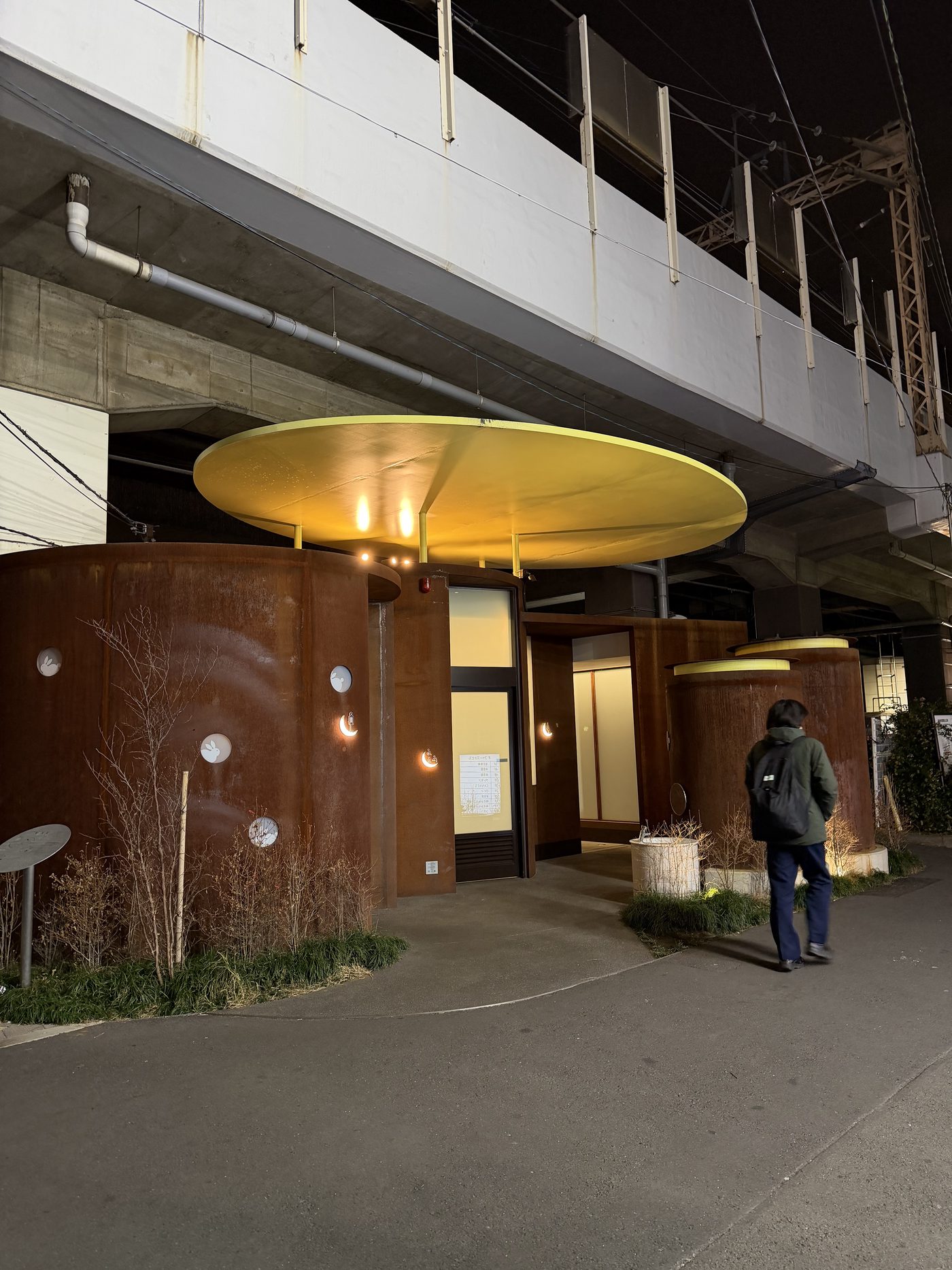
There's even a kid's corner of the toilet, which is pretty cute. But... can be an area of exploiting young kids if not monitored properly.
Some fun facts about the toilet project:
The "Tokyo Toilet" project was launched by the Nippon Foundation ahead of the Tokyo 2020 Olympics to challenge negative public restroom stereotypes by introducing high-design, inclusive, and ultra-hygienic facilities.
Public toilets in Japan were notoriously known as the 4Ks, "Kurai" (dark), "Kitanai" (dirty), "Kowai" (scary), and "Kusai" (smelly).
Then, project organization invited Wim Wenders to feature these toilets to give the project a narrative.
Hey, hey, thanks to Wenders, I got to know about these toilets and went on a toilet hunting adventure in Tokyo!
Japanese Pasta with Anime Menu
Lately, I've been enjoying Dungeon Meshi a lot. And in the anime, there's a lot of drawings and interpretations of food that came from monster parts.
I implore you to take a look at some of the drawings of the food in the anime, because they are really good. The art style is very detailed and realistic, and it really makes you want to eat the food. If you do not want to click on the link, here are some of the drawings:
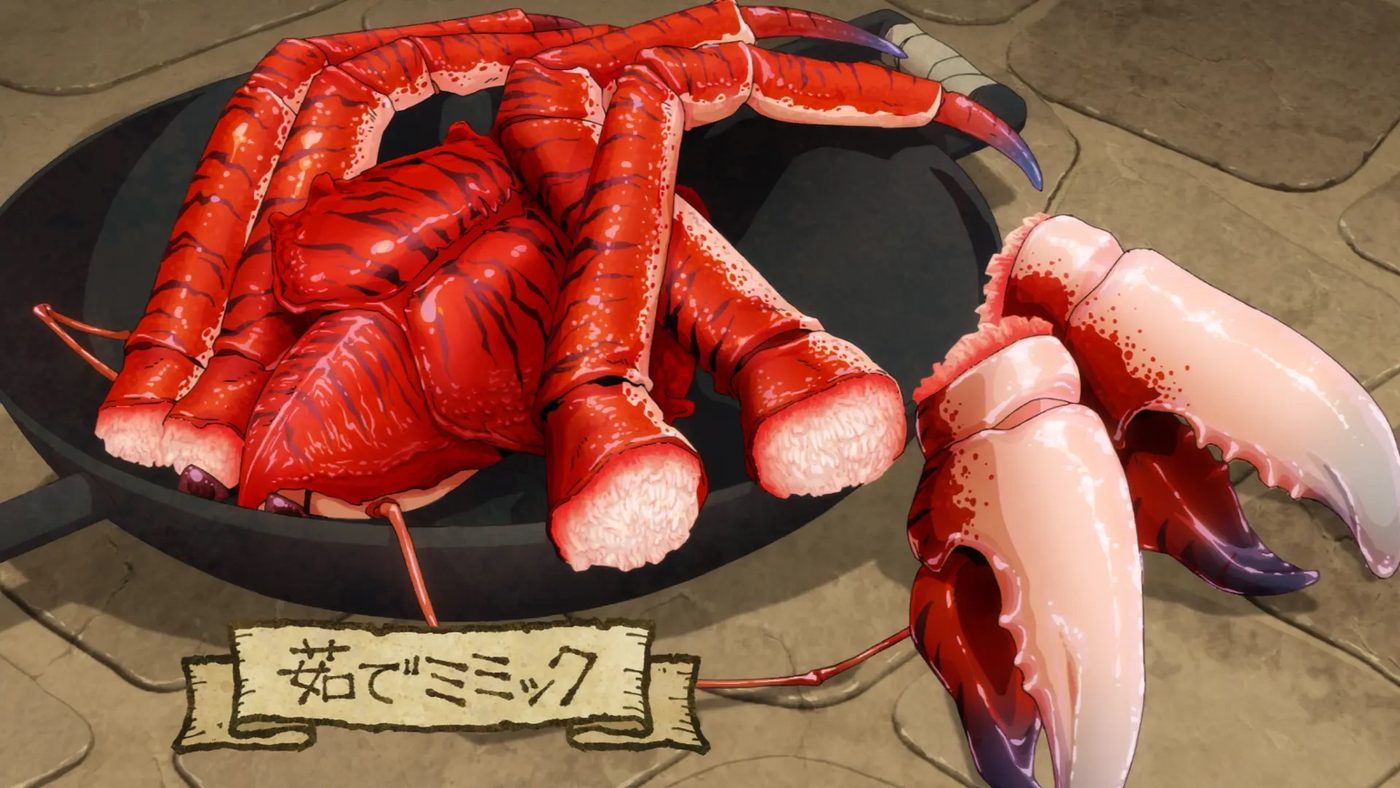
This draws me to the art of drawing food, especially in anime. So, I was very excited to find a restaurant that serves Japanese pasta with an anime menu.
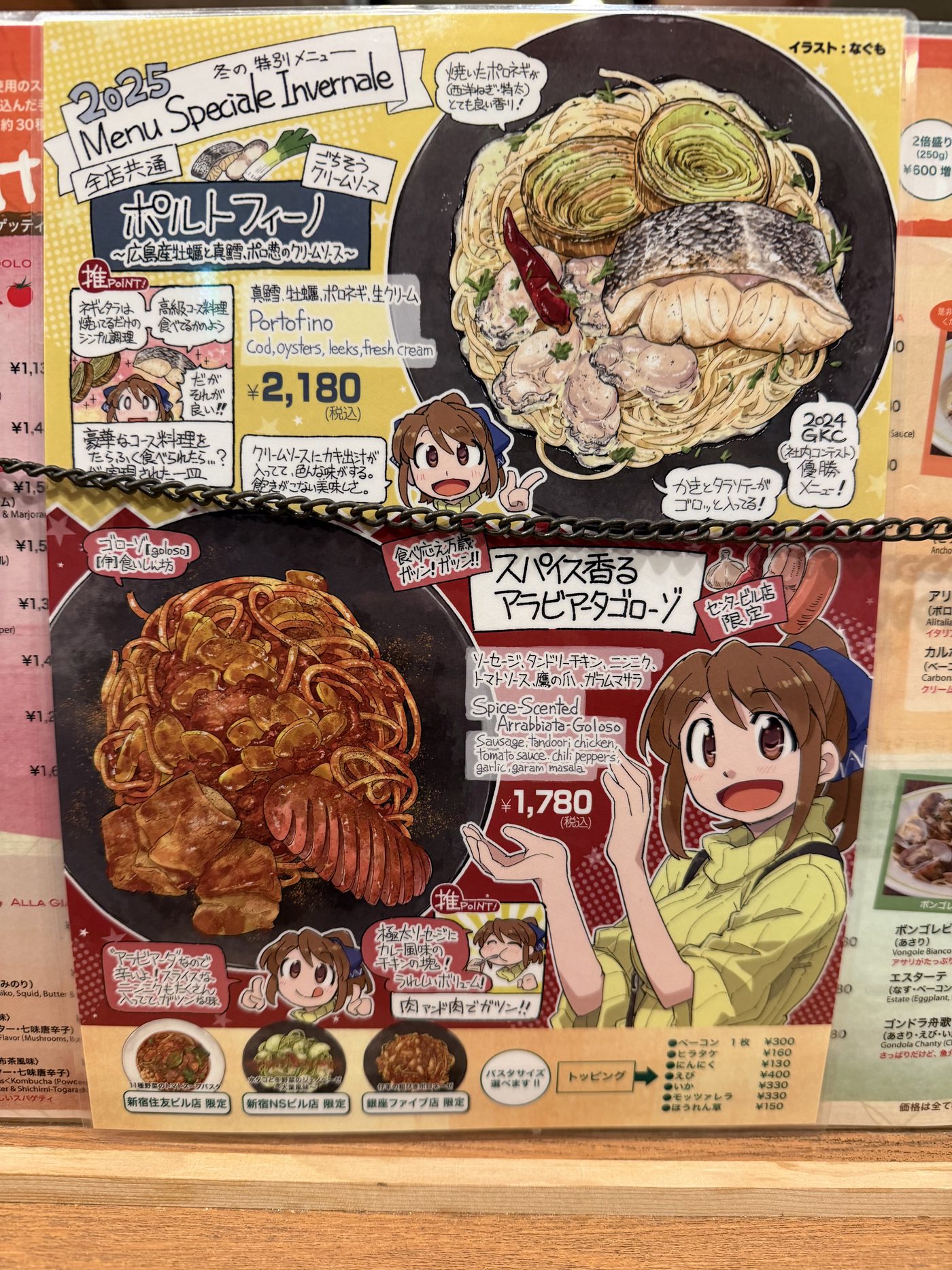
Now, please tell me that these do look like they're straight out of the drawings.
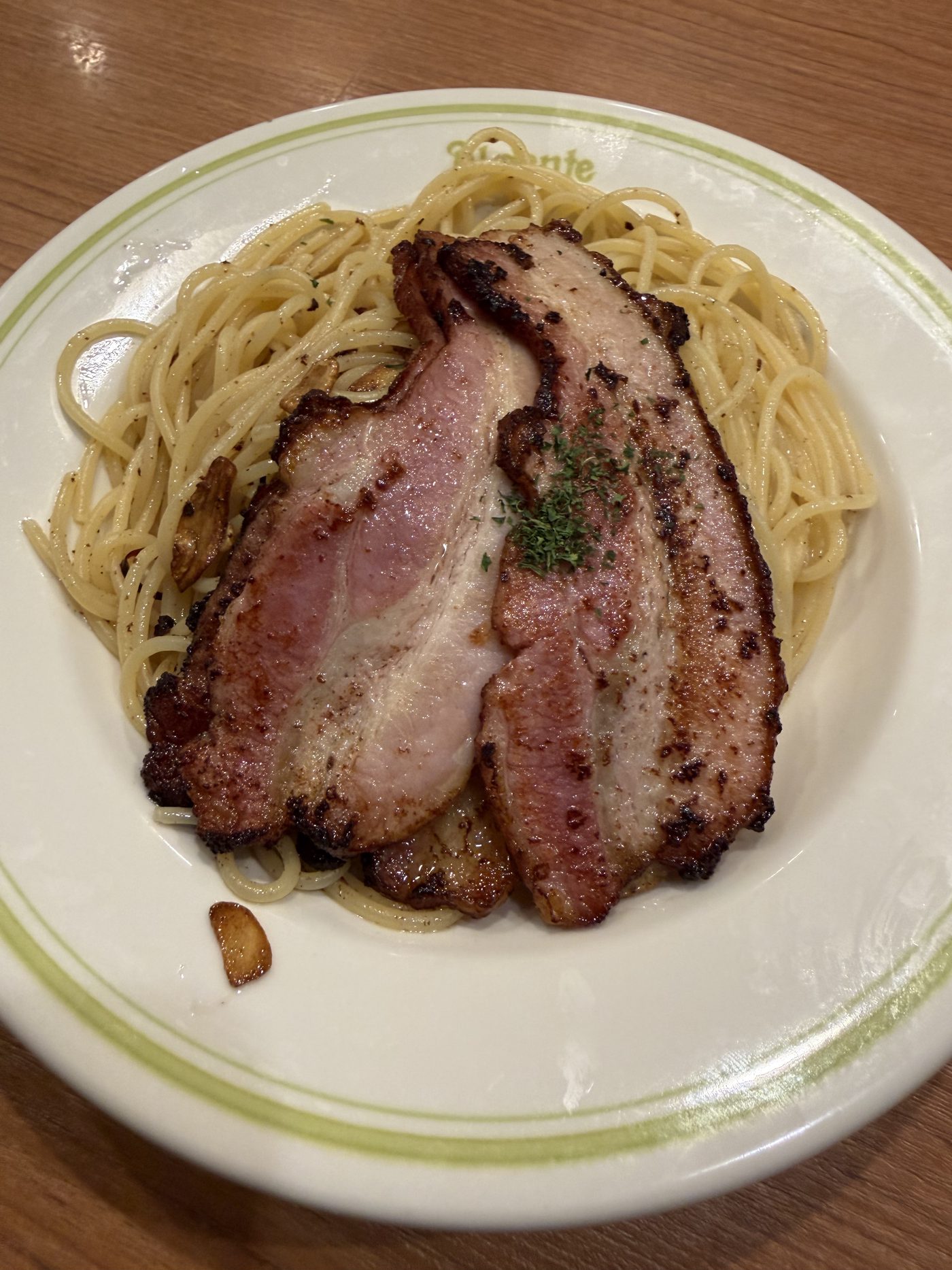
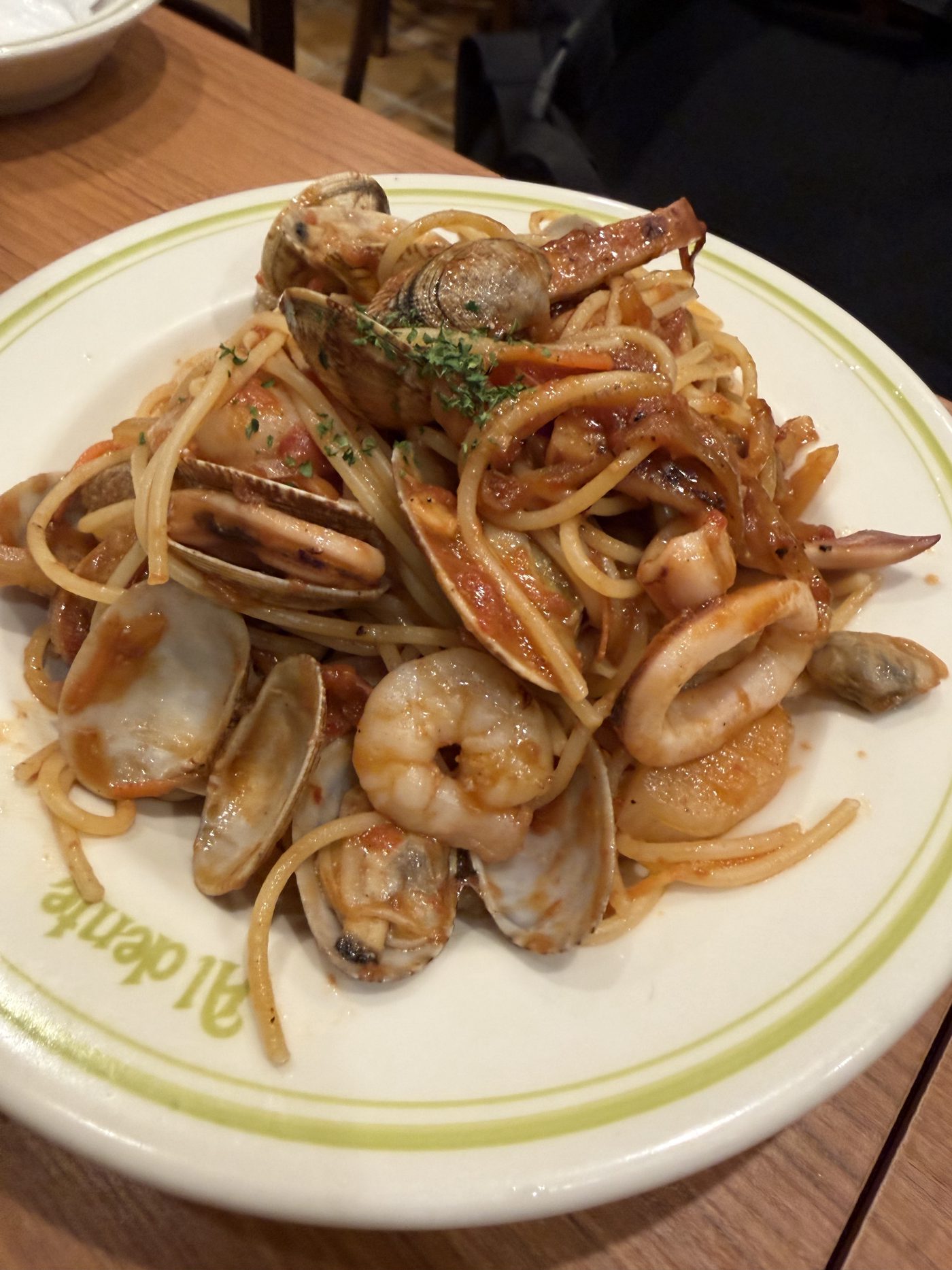
They were also delectable to the palate. Definitely would make a return there if I ever find myself in Tokyo again. Full detailed food reviews (including other dishes) can be found on my Beli.
More to come in part 2.